Top China Hydraulic Fracturing Equipment Factory & Supplier

Pioneering High-Pressure PDC & Downhole Sintering Technologies for Global Shale Oil & Gas Exploration

Primary Sintered Drilling Components

Premium grade PDC core bits, cutters, and insert profiles optimized for aggressive rate-of-penetration (ROP) in extreme wellbore conditions.
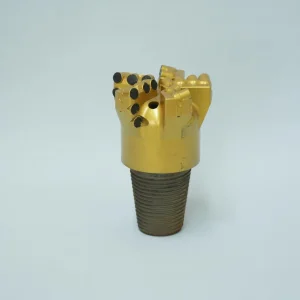
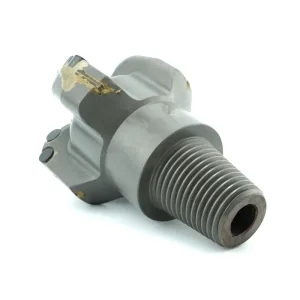
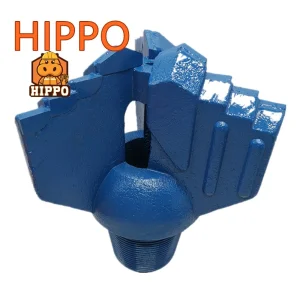
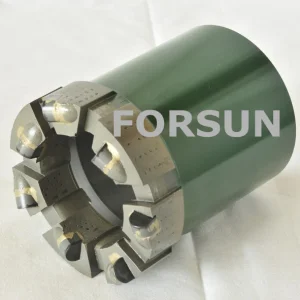
Self-Sharpening PDC Core Drill Bit

Self-Sharpening PDC Core Drill Bit for Complex Geological Formations and High-Abrasion Environments Price Cheap

View Technical Specs
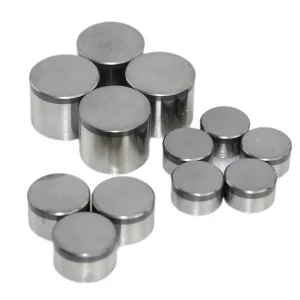
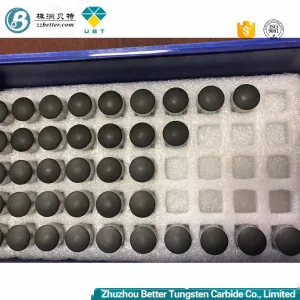
Semi Ballistic PDC Cutter

Semi Ballistic PDC Cutter and Spherical PDC Inserts and Conical Shaped PDC

View Technical Specs
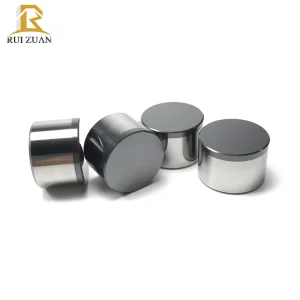
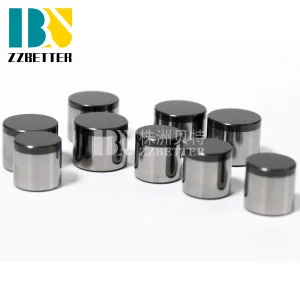
Polycrystalline Diamond Compact PDC Cutter

1304 PDC Insert Polycrystalline Diamond Compact PDC Cutter for Mining Drill Bits Stone Concrete Cutting and Grinding

View Technical Specs
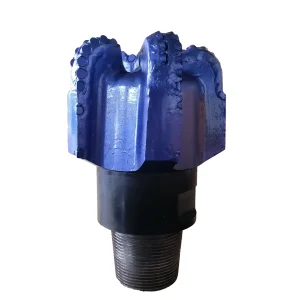
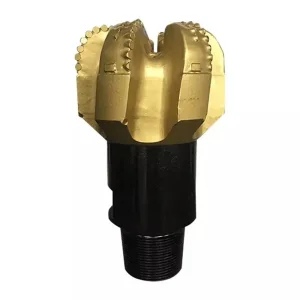
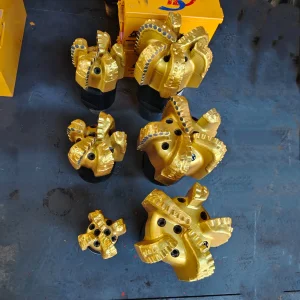
PDC Drill Bit Water Oilfield Gas

PDC Drill Bit 6 1/2" 8 1/2" 12 1/4" Water/Oilfield Gas

View Technical Specs
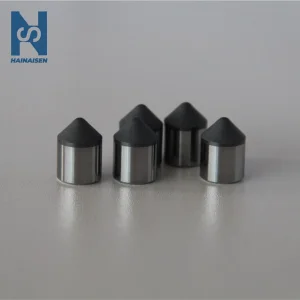
Conical PDC Cutter

Conical PDC Cutter 1308/1613/1616/1919 for Diamond Pick & DTH Hammer

View Technical Specs
Wing Core PDC Bit for Granite Drilling

High Quality Impact Resistance Wing Core PDC Bit for Granite Drilling

View Technical Specs
Blade Scraper PDC Drill Bit

High-Quality 5 5/8" 7 7/8" 3 Blade Scraper for Water Well Drilling Non Core Drag PDC Drill Bit

View Technical Specs
Blade Diamond Cutter Drill Bit

6 Blade Diamond Cutter Drilling PDC Drill Bit

View Technical Specs

1. The Industrial Nexus: Hydraulic Fracturing & High-Performance Drilling

Hydraulic fracturing (fracking) has fundamentally reshaped the global energy landscape, shifting resources from conventional reservoirs to vast, tight unconventional plays. Central to the success of these operations is the construction of highly complex lateral wellbores that span thousands of meters horizontally. The extreme dogleg severities, high friction coefficients, and highly abrasive formations encountered during lateral phase drilling demand cutter technologies capable of resisting premature degradation.

At the front line of this excavation is Henan Elliott Cutters Co., Ltd., a technological pioneer specializing in ultra-hard Polycrystalline Diamond Compact (PDC) cutters and advanced drill bits. Operating from the global hub of superabrasive synthesis in Henan, China, we supply international oilfield service companies with the high-performance wear components necessary to withstand the intense thermal and mechanical stresses generated during horizontal shale drilling.

Without highly reliable cutter interfaces, drill bits experience accelerated impact spalling and thermal fatigue, leading to costly out-of-hole trips and reduced rate of penetration (ROP). Henan Elliott's materials science initiatives specifically address these limits, ensuring that upstream operators maintain structural integrity throughout the horizontal trajectory.
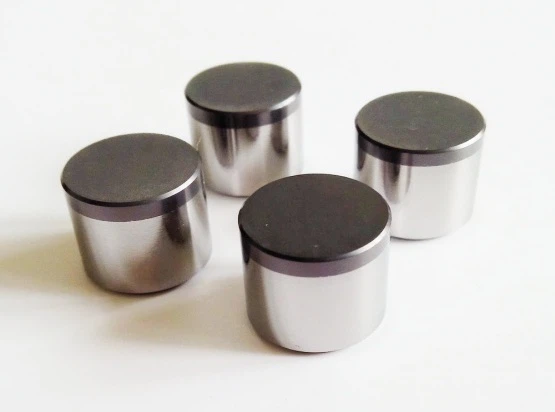
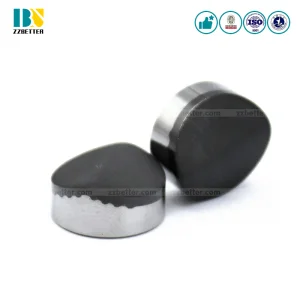
Polycyrstalline Diamond PDC cutter from Henan Elliott Cutters

2. Advanced Engineering of Ultra-Hard Diamond Interfaces

Exploring the metallurgical, thermal, and mechanical optimization steps that render our PDC cutters resilient to downhole shear stresses.

HPHT
Sintering Control
High-pressure, high-temperature synthesis ensures high-density diamond-to-diamond (D-D) bonding phase transformation.
Cobalt
Catalyst Mitigation
Controlled sweep kinetics prevent excess residual cobalt, mitigating differential thermal expansion.
Non-Planar
Interface Profiling
Patented ridged and corrugated boundaries distribute interfacial shear stresses, preventing delamination.
99.9%
Phase Purity
Strict raw diamond powder filtration ensures minimal grain impurities, maximizing structural fatigue life.

The performance of a PDC cutter is defined by the quality of its diamond-to-carbide interface and the density of its polycrystalline matrix. During the sintering process, cobalt from the tungsten carbide (WC) substrate acts as a liquid catalyst, sweeping through the diamond powder to promote recrystallization and build a robust 3D network of carbon bonds. However, residual cobalt poses a severe thermodynamic threat downhole: as temperatures rise past 700°C, cobalt expands at a rate higher than the surrounding diamond matrix, inducing micro-fractures.

To counteract this, Henan Elliott Cutters implements deep-leaching technology along the cutting edge. By removing the cobalt catalyst from the active diamond layer, we create a thermally stable zone that extends the working lifetime of the cutter in high-abrasion shale formations. Additionally, our non-planar interface designs—utilizing engineered ridges and conical structures—substantially lower residual stress concentrations at the junction of the diamond table and the carbide backing.

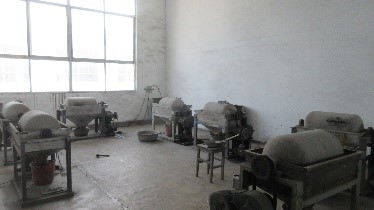
3. Sintering and Processing Workflow of Superabrasive Materials

Every cutter undergoes a rigorous 10-stage metallurgical process to ensure uniform density, high thermal stability, and mechanical strength.
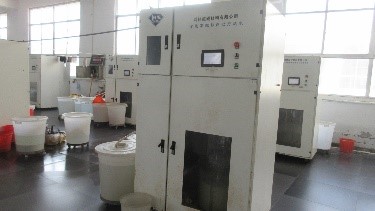
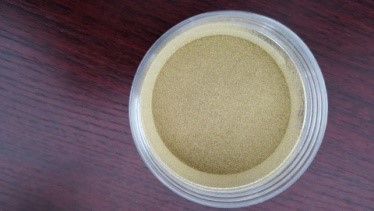
Crushing Raw Materials

1. Crushing

Shaping Grains

2. Shaping

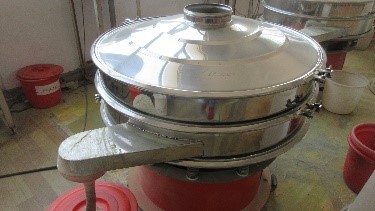
Filtrating Sieve Analysis

3. Filtrating

Picking Raw Powder

4. Picking

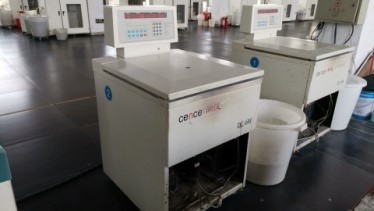
Centrifugation Separation

5. Centrifugation

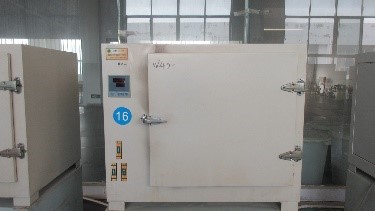
Dry Process

6. Dry

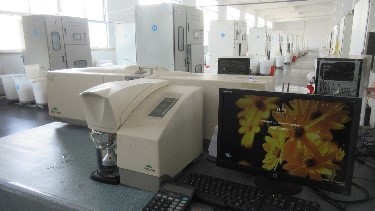
Checking Quality

7. Checking

Finished Product Inspection

8. Finished Product

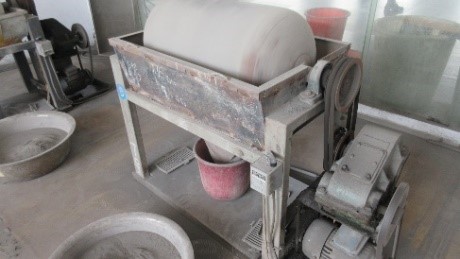
Grinding Machine Operations

9. Grinding Machine

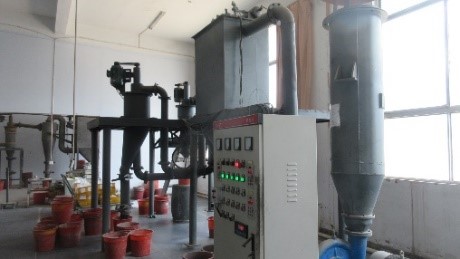
Stream Grinding Machine Finish

10. Stream Grinding

4. Global Field Applications: Conquering Diverse Formations

How Henan Elliott adapts engineering properties to address the distinctive geological realities of regional shale gas basins.

North American Unconventionals

In the Permian and Duvernay basins, long horizontal laterals dictate sustained ROP. Our self-sharpening PDC cutters reduce dynamic vibrations, minimizing impact spalling across interbedded sands and silts.

Asia-Pacific Deep Tectonics

Deep shale plays in Southwest China encounter high geothermal gradients and complex fault patterns. Henan Elliott provides specialized high-thickness diamond tables designed to resist high temperature degradation.

High-Stress Carbonate Plays

Transitioning through hard carbonate stringers demands robust impact energy dispersion. Our semi-ballistic and conical shaped inserts distribute compressive force radially, preventing localized stress concentrations.

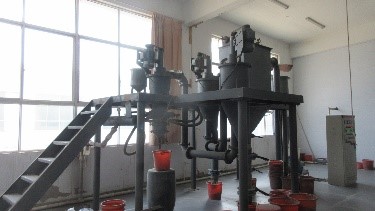
PDC Precision Stream Grinding Equipment

5. Strategic Roadmap: Toward The Next-Gen Superabrasive Cutters

The trajectory of horizontal drilling points toward deeper reservoirs, higher mechanical energy input at the drill bit, and longer horizontal reaches. To sustain these demands, Henan Elliott is refining its manufacturing capabilities to target nanoscale grain structures and hybrid binder matrices.

Traditional grain matrices are limited by localized impurity pathways. Our development team is actively pioneering multi-modal micro-grain sizing distributions that increase structural diamond phase density. By layering dynamic particle geometries, we reduce interstitial cobalt pathways, raising the threshold of shear failures.

On the machinery front, our investment in high-frequency electric discharge grinding (EDG) and advanced stream grinding units ensures sub-micron dimensional tolerances. These processing methods prevent micro-chipping along the cutting edge during initial break-in periods, translating directly to stable torque profiles at the drill site.

6. OEM/ODM Industrial Integration & Customization Matrix

How Henan Elliott supports global oilfield equipment suppliers through dedicated prototyping, metallurgical modifications, and co-design systems.

For major oilfield service providers and bit manufacturers, off-the-shelf cutters are rarely optimized for specific proprietary body structures. At Henan Elliott, we offer a robust OEM and ODM service matrix designed to seamlessly merge our superabrasive capabilities with your drill bit architectures.

Our customization system allows operators to specify the primary performance characteristics of the cutting face, including:

  • Chamfer Profiles: Custom double-chamfer or radius configurations tailored to reduce cutting edge chipping in highly interbedded rock structures.
  • Cobalt Leaching Depths: Precise optimization ranging from 50 to over 300 microns, matching specific drilling fluid dynamics and heat dissipation demands.
  • Substrate Geometries: Custom-tailored non-planar interfaces designed using finite element analysis (FEA) to counteract high impact axial loading.
  • Branding and Packaging: High-precision laser engraving for trace identification and serial number tracking throughout the lifecycle of the drill bit.

By pairing advanced metallurgical formulations with rapid small-batch manufacturing capabilities, we ensure our global partners can fast-track new drill bit designs from modeling to field testing within record timelines.

7. Technical FAQ: Unravelling Superabrasive Performance Dynamics

In-depth technical answers addressing critical parameters in PDC cutter operation, failure modes, and optimization techniques.

How does cobalt leaching affect the thermal stability of PDC cutters?
Cobalt acts as an active catalyst during HPHT sintering but presents structural issues during deep drilling due to its higher coefficient of thermal expansion relative to diamond. By chemically leaching cobalt from the cutting edge, we eliminate this expansion differential and prevent microscopic structural cracking, allowing the cutter to withstand friction-generated temperatures up to 1100°C without mechanical failure.
What causes delamination between the diamond layer and the tungsten carbide substrate?
Delamination is primarily caused by residual stress concentrations resulting from high radial loading and thermal expansion mismatches during cooling. Henan Elliott mitigates this by engineering non-planar interfaces (ridged or structured carbide surfaces) that distribute shear forces over a larger surface area, effectively preventing interfacial separation under intense torsional stress.
How does grain size distribution impact impact-resistance and wear-resistance?
Coarser diamond grains improve impact resistance by arresting crack propagation along grain boundaries, while finer diamond grains optimize wear resistance by providing a smoother, harder outer surface. Our advanced formulations employ multimodal grain size distributions, blending coarse, medium, and fine particles to achieve an optimized balance of both properties.
What parameters optimize rate of penetration (ROP) in abrasive sandstone?
In abrasive sandstone, managing abrasive wear and thermal fatigue is key. Using self-sharpening PDC core drill bits with highly leached, thermally stable cutter faces maintains sharp cutting profiles. This minimizes friction-induced heat generation and preserves the structural efficiency of the cutting structure throughout long runs.
How can operators reduce stick-slip vibrations in directional drilling?
Stick-slip vibrations are caused by inconsistent torque profiles at the cutter-rock interface. By utilizing conical shaped cutters or ridged PDC designs, the bit achieves a uniform depth of cut (DOC) limit. This reduces torque spikes and helps stabilize the tool face, improving steering precision in directional wellbores.

Specialized Sintered Cutting Profiles

Engineered inserts and non-planar cutters designed for high-impact mining, geological exploration, and deep geothermal wellbore construction.
PDC Insert Diamond Cutters

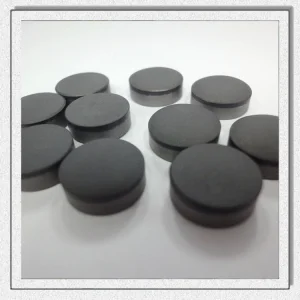
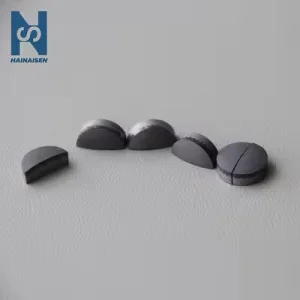
PDC Insert Diamond Cutters for Drilling Bit

View Technical Specs
PDC Cutter Tungsten Carbide Anchor Bits

1/2 PDC Cutter 1011 Tungsten Carbide for Anchor Bits

View Technical Specs
PDC Non-Planar Face Cutter

PDC Non-Planar Face Cutter PDC Ridged Cutter 1313 1613 1616

View Technical Specs
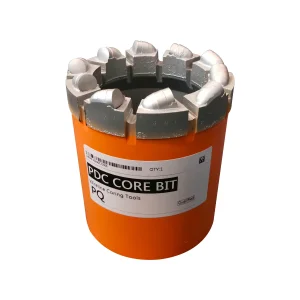
PDC Core Bit

PDC Core Bit Nq Hq Pq for Drilling

View Technical Specs
PDC Cutters for Mining

1308 PDC Cutters for Mining, Geological Exploration, Oil and Gas Drilling

View Technical Specs
Polycrystalline Diamond Compact

PDC Cutter Polycrystalling Diamond Compact for Diamond Tools

View Technical Specs
PDC Core Drilling Bit

PDC Core Drilling Bit for Exploration Drilling

View Technical Specs
Directional Well Drilling Bit

API 8 3/4" Directional Well Drilling Bit

View Technical Specs