Deep well drilling is a critical process in the extraction of oil and gas. However, one persistent issue faces engineers: cutter failure. The question, "Why do PDC cutters crack during deep well drilling?" arises frequently. This problem can be attributed to a variety of factors, including geological conditions and material limitations.
PDC (Polycrystalline Diamond Compact) cutters are designed for durability and efficiency. Yet, under extreme pressure and abrasive conditions, they may crack or break. Understanding the mechanics behind this failure is vital. Identifying the stress points and weaknesses in cutter design can help in mitigating risks.
In practical applications, even the most advanced technology is not foolproof. Components can fail under unexpected conditions. Engineers must reconsider design parameters and material choices to improve cutter longevity. By examining past drilling failures, professionals can gain insights into preventing future issues. The quest for reliability in deep well drilling continues, but it demands reflection and innovation.
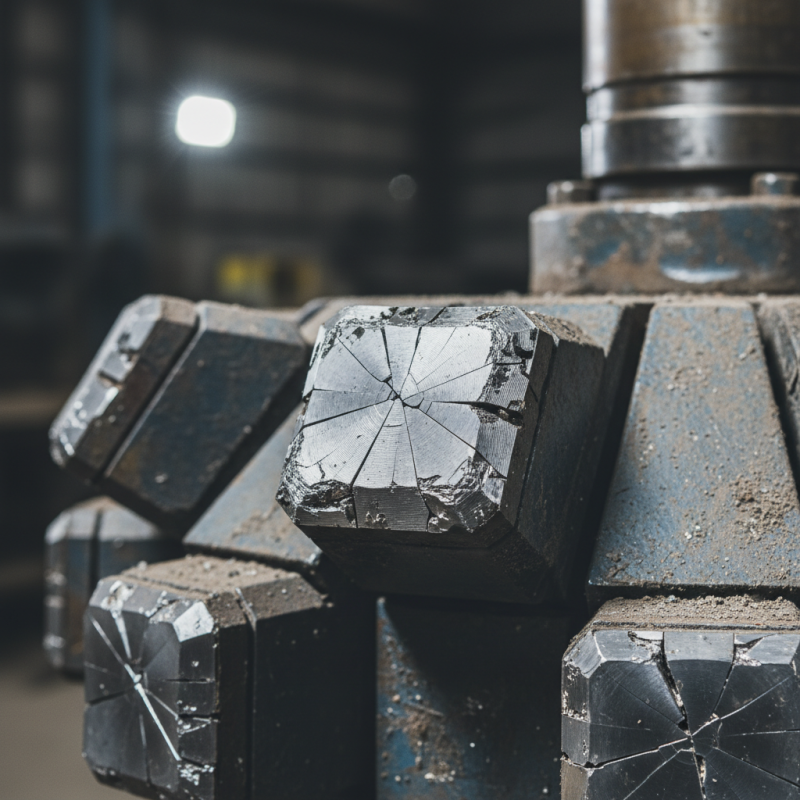
PDC (Polycrystalline Diamond Compact) cutters play a crucial role in deep well drilling. These cutting tools are designed to withstand extreme temperatures and pressures, providing efficient rock penetration. However, they are not infallible. Cracking can occur due to various factors, impacting drilling performance.
During deep drilling operations, the rock formation can be unpredictable. Variations in hardness and composition can exert unexpected stress on PDC cutters. Fractures may form if the cutter faces excessive rotational speed or lateral loads. The challenges are complex, and drilling engineers must understand these dynamics to mitigate risks effectively.
Monitoring and adjusting drilling parameters are vital. There’s an art to finding the right balance between speed and stability. Drillers often analyze historical performance data to improve their strategies. Although significant advancements exist, each drilling operation requires careful consideration and adaptability. A deeper understanding of PDC cutters and rock interactions can lead to more successful drilling outcomes.
PDC (Polycrystalline Diamond Compact) cutters are essential in deep well drilling. However, they often face cracking issues. Several key factors contribute to this problem. One significant factor is the extreme pressure exerted during drilling. The intense force can exceed the material strength of the PDC, leading to fractures.
Another contributing factor is thermal stress. As the drill cuts through rock, it generates heat. This heat, combined with the rapid changes in temperature, can create thermal shock. Such conditions may cause the PDC material to crack unexpectedly. Additionally, inadequate cooling and lubrication can exacerbate these thermal stresses. Proper management of these factors is crucial to increase the reliability of PDC cutters.
Drilling parameters also play a role. High rotational speeds can lead to more significant wear on the cutters. However, lowering speeds might not be feasible due to the need for efficiency. It’s a delicate balance that requires ongoing research and adjustments. Rig operators must constantly monitor conditions to minimize the chances of failure. Finding optimal drilling parameters is a continuous learning process for many in the industry.
Deep well drilling presents unique challenges for PDC cutters. The harsh conditions downhole significantly influence the integrity of these cutting tools. High temperatures and pressures create an environment where even the slightest imperfections can lead to catastrophic failures. The combination of these stress factors often causes micro-cracks that slowly propagate, resulting in cutter failure.
Another critical aspect is the rock formation encountered during drilling. Variations in hardness can exert uneven forces on the PDC cutters. For instance, transitioning from soft to hard rock can stress the cutters unexpectedly. Moreover, vibration and shock loads from the drilling process can exacerbate this issue. As a result, maintaining cutter integrity amid these fluctuating conditions is an ongoing battle.
The design of PDC cutters is highly advanced, yet perfection is elusive. Unexpected failures still occur, challenging engineers to rethink designs continuously. It's essential to prioritize rigorous testing under realistic conditions. By understanding how various drilling environments affect cutter performance, improvements can be made. Ultimately, it remains a complex interplay of factors that demands careful observation and innovation.
Cutter cracking during deep well drilling is a significant concern. Industry reports indicate that around 40% of PDC cutters fail due to cracking under extreme conditions. These cracks can lead to costly delays and operational challenges. Preventive measures can reduce these occurrences.
One effective strategy is optimizing drilling parameters. Adjusting the weight on bit (WOB) can help minimize stress. A study found that WOB exceeding limits by just 30% may double the likelihood of cracking. Additionally, maintaining appropriate rotary speeds is vital. Excessive rotation can create instability, increasing the risk of damage.
Regular inspection of cutters is another crucial preventive measure. Utilizing advanced imaging technology can reveal micro-cracks invisible to the naked eye. Implementing a routine replacement schedule based on cutter wear can extend cutter life significantly. Reports show that proactive replacement reduces cutting tool failures by 25%. While no solution is foolproof, combining these strategies enhances cutter resilience during deep drilling operations.
| Factor | Description | Preventive Measure |
|---|---|---|
| High Impact Loads | Severe impacts during drilling can lead to stress concentrations in the cutters. | Use shock-absorbing drilling techniques and advanced bit designs. |
| Thermal Shock | Rapid temperature changes can cause material expansion and contraction. | Manage drilling parameters to reduce temperature fluctuations. |
| Improper Coolant Usage | Inadequate cooling can lead to overheating of the cutters. | Optimize coolant delivery and monitor temperatures closely. |
| Bit Wear | Excessive wear can weaken the structural integrity of the cutters. | Regularly inspect and replace bits before excessive wear occurs. |
| Formation Interaction | Challenging formations can exert unanticipated forces on the cutters. | Conduct thorough formation evaluation to adjust drilling parameters. |
Deep well drilling poses significant challenges, especially with PDC (Polycrystalline Diamond Compact) cutters. Current designs often face issues such as cracking under extreme pressure and temperature conditions. Industry data indicates that nearly 25% of PDC cutters fail during deep drilling operations due to material fatigue. This highlights the need for improved designs and better materials.
Future innovations in PDC cutter design are focusing on enhancing durability and resilience. Research suggests incorporating advanced ceramics and nanomaterials could significantly improve performance. For instance, materials engineered at the nanoscale exhibit superior hardness and thermal stability. These innovations aim to address the inherent weaknesses in traditional PDC cutters.
Ongoing studies are exploring geometric modifications to cutter shapes. Innovative designs may better distribute stress and reduce the likelihood of cracking. Data shows that precise optimization of cutter geometry can enhance efficiency by 20%. The potential for revolutionary advancements is significant, yet challenges remain. Real-world applications of these concepts will be vital to validating their effectiveness in harsh drilling environments.
This chart illustrates the average crack rates of PDC cutters used in deep well drilling across different drilling depths. The data shows that as drilling depth increases, the crack rate of PDC cutters also tends to rise, indicating a significant relationship between depth and cutter durability.
: PDC cutters are tools used in deep well drilling. They are made of synthetic diamond materials.
They withstand high temperature and pressure but may crack under stress.
Excessive speed, lateral loads, and unexpected rock hardness can cause cracks.
Adjusting speed and stability can significantly enhance drilling success rates.
Variations in rock hardness create uneven forces that stress the cutters.
No, failures are unpredictable due to the complexity of drilling environments.
It helps improve drilling strategies and adapt to varying conditions.
No, ongoing issues arise, necessitating continuous innovation and testing.
It can create unexpected stress on the cutters, leading to possible failure.
They must balance many factors to maintain cutter performance effectively.
The article titled "Why Do PDC Cutters Crack During Deep Well Drilling?" explores the essential role of Polycrystalline Diamond Compact (PDC) cutters in drilling operations. It delves into various factors contributing to cutter cracking, such as the geological conditions encountered at great depths and the mechanical stresses exerted during drilling. Additionally, it highlights how drilling parameters, including speed and weight on the bit, can significantly impact the integrity of the cutters.
To mitigate the risk of cracking, the article discusses preventive measures that can be adopted, such as optimizing drilling techniques and using advanced materials in cutter design. It also looks forward to potential innovations that could enhance the durability and performance of PDC cutters, ensuring more efficient drilling in deep wells. Overall, understanding "Why do PDC cutters crack during deep well drilling?" is crucial for improving drilling efficiency and reducing costs in the industry.

Elliott Cutters