Why Choose Conical PDC Cutters Over Flat Alternatives?

Time:2026-05-25 Author:Liam
0%

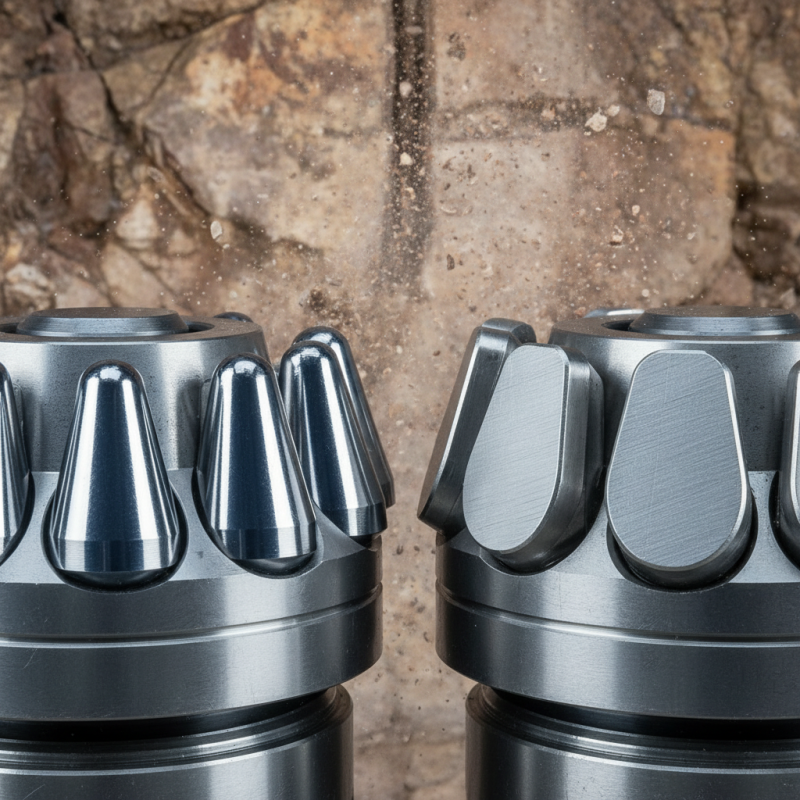
When considering drilling applications, the choice of cutter type can significantly impact performance. This brings us to the question, "Why use conical PDC cutters instead of flat ones?" Conical PDC cutters offer distinct advantages that enhance drilling efficiency and longevity. The shape of conical cutters allows for superior penetration and reduced wear.

Flat cutters, while commonly used, often fall short in challenging materials. They can lead to increased friction and heat, causing delays and additional costs. Conical PDC cutters improve debris removal and provide better chip flow. This results in smoother drilling operations and less downtime.

Choosing the right cutter is crucial. Industry professionals increasingly advocate for conical designs due to their proven efficiency. However, not all applications may benefit equally. Careful assessment of drilling conditions is necessary to maximize the advantages of conical PDC cutters. Considering these factors could lead to a more informed and effective drilling strategy.
Why Choose Conical PDC Cutters Over Flat Alternatives?

Advantages of Conical PDC Cutters in Drilling Applications

Conical PDC cutters are gaining momentum in drilling applications. Their unique shape allows for improved penetration rates. This design helps reduce the friction between the cutter and the rock. As a result, they contribute to more effective drilling performance. Often, they outperform traditional flat cutters in various geological conditions.

The advantages of using conical PDC cutters also include enhanced durability. They can withstand extreme pressure and heat during drilling. This durability leads to longer service life and fewer replacements. Contractors appreciate these factors as they reduce overall project costs. Effective management of drilling time and resources is crucial for project success.

However, not every application may benefit from conical designs. In certain soft formations, flat cutters might perform adequately. There’s still debate among engineers regarding optimal cutter selection. Understanding specific drilling conditions is key. Each drilling scenario presents challenges. Decisions should be informed by data and experience. The right choice can significantly impact efficiency and outcomes.

Why Choose Conical PDC Cutters Over Flat Alternatives? - Advantages of Conical PDC Cutters in Drilling Applications

Feature Conical PDC Cutters Flat PDC Cutters
Cutting Efficiency Higher efficiency due to optimized geometry Lower efficiency in some formations
Wear Resistance Superior wear resistance due to conical shape Moderate wear resistance
Application Versatility Effective in varied geological conditions Limited to specific application types
Depth of Cut Allows for deeper cuts and better penetration Shallower cuts, potentially less efficient
Cost Efficiency Higher initial cost but reduced operational costs Lower upfront cost but higher long-term costs

Comparison of Cutting Efficiency: Conical vs. Flat PDC Cutters

The efficiency of cutting tools greatly impacts drilling performance. Conical PDC (Polycrystalline Diamond Compact) cutters are increasingly favored over flat alternatives due to their superior cutting efficiency. Industry reports indicate that conical cutters can improve penetration rates by up to 25% compared to flat designs. They achieve this by creating a focused contact area at the drill bit's leading edge, allowing for more effective material removal.

Additionally, conical PDC cutters reduce bit wear. Research shows that they experience less friction during operation. This leads to longer tool life and fewer replacements, which is crucial in deep or challenging formations. The geometry of conical shapes allows for better chip removal as well, preventing buildup and enhancing overall drilling speed.

However, challenges exist with conical designs. They may require modifications in drilling techniques, as the characteristics differ from flat cutters. Operators must adapt to the unique dynamics and potential increases in vibration. Such adjustments could complicate training and operational protocols. Balancing these factors is essential for maximizing the benefits of adopting conical PDC cutters in drilling applications.

Impact of Cutter Geometry on Wear Resistance and Durability

The geometry of cutters is crucial for optimal performance in drilling applications. Conical PDC cutters exhibit superior wear resistance compared to flat alternatives. According to industry reports, conical designs can reduce wear rates by up to 30% under similar conditions. This increased efficiency is largely due to their pointed tip, which better penetrates and distributes stress during cutting.

Wear resistance directly impacts the durability of drilling equipment. Conical cutters can maintain their shape longer, even in abrasive conditions. This results in less frequent replacements and lower overall operational costs. Studies show that projects using conical cutters can achieve a 15% increase in tool life, enabling extended drilling periods without failure.

However, the complexity in manufacturing conical PDC cutters might lead to inconsistencies in quality. Some units may not perform as expected due to flaws in production. It's essential for operators to ensure that high standards are maintained in the manufacturing process. Not all conical cutters are created equal, and attention to detail matters. Balancing cost with performance is key; sometimes, a more expensive cutter can provide better long-term value.

Cost-Effectiveness of Conical PDC Cutters in Long-Term Use

Conical PDC cutters offer unique benefits that can enhance long-term cost-effectiveness in drilling operations. Their design allows for better penetration and durability compared to flat alternatives. When deployed in challenging geological formations, these cutters demonstrate improved performance, reducing downtime and maintenance costs over time.

The enhanced cutting abilities of conical PDC cutters result in less energy consumption. This efficiency translates into lower operational costs. Additionally, their longer lifespan means fewer replacements are needed, further driving down expenses. However, initial investment in conical cutters may be higher. Many operators hesitate to switch from established flat cutters due to traditional practices.

Real-world data indicates that conical cutters reduce costs in the long run. Their performance in diverse environments justifies the investment. Even when encountering unexpected issues during drilling, the adaptability of conical PDC cutters typically results in greater overall savings. Nevertheless, careful consideration of specific drilling needs is crucial. Each operation has unique challenges that must be evaluated to maximize benefits.

Industry Applications Benefiting from Conical PDC Technology

Conical PDC cutters are transforming various industries, particularly in drilling and mining. Their unique shape allows for better penetration into hard rock formations. This means they can complete tasks more efficiently. The strength of conical designs reduces wear and tear. Fewer replacements lead to cost savings and less downtime.

Many industries can benefit from this technology. For example, oil and gas drilling often requires robust cutting tools. Conical PDC cutters enhance performance in these demanding environments. The conical shape greatly improves the flow of cuttings. This leads to faster drilling speeds and better overall results.

Not all applications are equal, though. In softer materials, flat alternatives may still have their place. Conical cutters can struggle where the material isn’t challenging. Users must evaluate their specific needs before choosing a cutter. Understanding the material's properties can prevent costly mistakes.

Comparative Analysis of Conical vs. Flat PDC Cutters in Various Industries

FAQS

: What are the main advantages of conical PDC cutters in drilling?

: Conical PDC cutters improve penetration rates and reduce friction with rock, enhancing drilling performance.

How does the durability of conical PDC cutters benefit drilling projects?

Their ability to withstand heat and pressure means longer service life and fewer replacements, lowering costs.

Are conical cutters always the best choice for drilling applications?

Not always. In certain soft formations, flat cutters can perform adequately, and choices should be based on data.

What impact does cutter geometry have on wear resistance?

The pointed tip of conical PDC cutters enhances wear resistance, reducing wear rates by up to 30% in similar conditions.

How does wear resistance influence the durability of drilling equipment?

Better wear resistance allows conical cutters to retain their shape longer, decreasing the need for replacements and reducing costs.

What are potential issues with the manufacturing of conical PDC cutters?

Some cutters may have quality inconsistencies due to production flaws, affecting their expected performance.

How can the right cutter choice impact drilling efficiency?

An informed choice based on specific conditions can significantly affect drilling efficiency and overall project outcomes.

Is the cost of conical PDC cutters always justified?

Sometimes, a more expensive cutter may offer better long-term value, but balancing cost and performance remains essential.

What should operators focus on to ensure the quality of conical cutters?

Operators should maintain high manufacturing standards and pay attention to details for optimal performance.

Are all conical cutters equally effective?

No, quality can vary. Not all conical cutters perform the same, highlighting the importance of careful selection.

Conclusion

Conical PDC cutters present several advantages over flat alternatives, making them an increasingly popular choice in drilling applications. One key aspect that highlights "Why use conical PDC cutters instead of flat ones?" is their superior cutting efficiency. The geometry of conical cutters allows for more aggressive and effective penetration into various rock formations, enhancing overall performance. Moreover, their design significantly impacts wear resistance and durability, leading to longer operational lifespans.

In terms of cost-effectiveness, conical PDC cutters prove to be economically beneficial in the long run through reduced maintenance and downtime. Various industry applications, such as oil and gas exploration and mining, experience substantial improvements in efficiency and productivity when utilizing conical PDC technology, further solidifying their position over flat alternatives.

Liam

Liam

Liam is a dedicated marketing professional with a profound expertise in the industry, where he excels at highlighting the unique advantages of our core products. With a keen understanding of market trends and consumer needs, Liam frequently updates our company’s professional blog, providing......