How to Test PDC Cutter Bond Strength Effectively?

Time:2026-06-28 Author:Oliver
0%

Understanding how to test the bond strength of a PDC cutter is critical in the drilling industry. Bond strength determines the cutter's durability and effectiveness, impacting overall performance. Dr. Michael Jensen, a leading expert in drilling technologies, once said, "The bond strength can make or break the cutting efficiency of a PDC cutter."

Effective testing of bond strength involves specific methods that are both reliable and reproducible. The challenge lies in simulating real-world conditions. Factors like temperature, pressure, and wear should be considered during testing. Common methods include tensile tests and shear tests, but each has its limitations. The industry lacks a universal standard, leading to variations in methodology and results.

Moreover, incorrect procedures or equipment can yield misleading data. A critical view on existing techniques is necessary. Identifying these shortcomings may lead to innovations in testing practices. Clarity in how to test the bond strength of a PDC cutter is crucial for future advancements. Researchers and engineers must collaborate to develop more reliable methods.
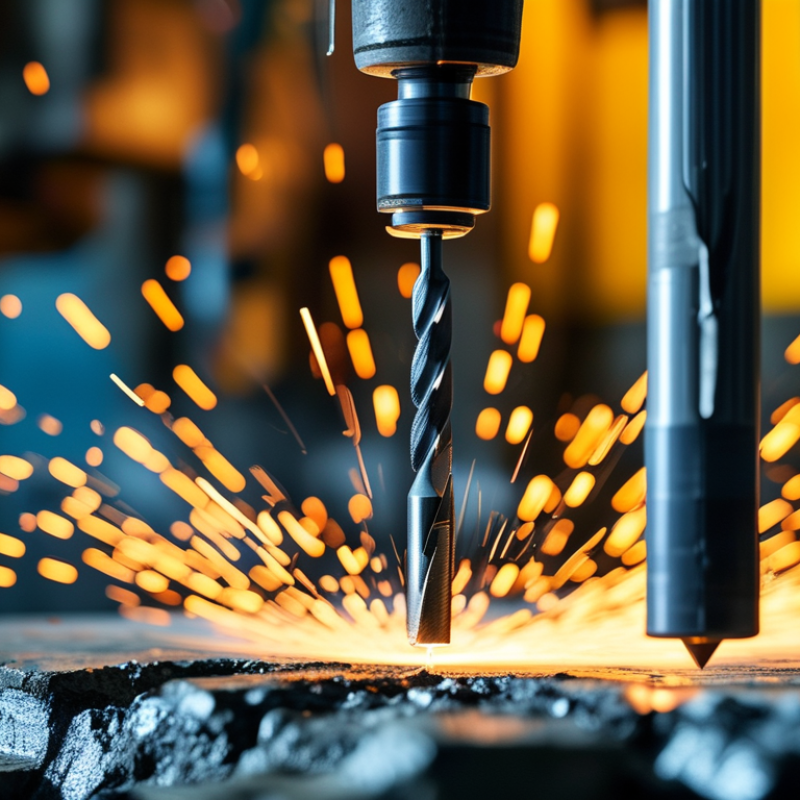
How to Test PDC Cutter Bond Strength Effectively?

Understanding PDC Cutter Bond Strength: Key Concepts

Understanding PDC cutter bond strength is crucial in the drilling industry. The bond strength defines how well the polycrystalline diamond compact (PDC) cutters are attached to their substrate. This bond impacts the cutter's performance and longevity. A strong bond allows for efficient cutting and reduces the chances of premature failure. Testing this bond strength involves a careful evaluation of various factors, including adhesive formulations and environmental conditions.

Different methods can assess bond strength. One technique uses tensile testing, measuring how much force is needed to separate the cutter from its base. Another employs shear testing, which examines how well the cutter holds under lateral forces. Each method has its own merits and can yield valuable insights. However, results can be inconsistent. Variations in temperature, humidity, or even the surface preparation of components can lead to unexpected outcomes.

Proper documentation and analysis of these tests are essential for reliable data. Yet, achieving repeatable results often proves challenging. This complexity suggests the need for a comprehensive approach. Understanding the nuances of PDC cutter bond strength helps improve overall drilling performance, even if the testing process itself is not foolproof. Each finding offers an opportunity for reflection and potential improvement.

Testing PDC Cutter Bond Strength

Common Methods for Testing PDC Cutter Bond Strength

Testing the bond strength of PDC cutters is critical for ensuring their performance in drilling operations. Common methods for evaluating this bond strength include shear tests, tensile tests, and thermal cycling tests. Each method serves a distinct purpose and provides unique insights into the durability of the cutter bonds under varying conditions.

Shear tests help assess the cutter's resistance to lateral forces encountered during drilling. Research indicates that shear strengths can significantly influence cutter efficiency. For instance, a well-documented study showed that bond strengths below 30 MPa could lead to premature cutter failure. Alternatively, tensile tests measure the ability of the cutter to resist pulling forces. The average bond strength in high-performance materials can exceed 50 MPa.

Thermal cycling tests evaluate how bond strength holds up under temperature fluctuations. In a recent report, results showed that improper thermal cycling could weaken bonds by up to 25%.

Tips:
Ensure to maintain consistent testing conditions. Variability can skew results. Also, consider the impact of drill bit materials on bond strength. Not all materials impose the same stress on the bond.

Frequent retraining of personnel in testing methods can prove beneficial. It reduces human error, ensuring accuracy in results. Over time, revisit and review the methods employed. Techniques that worked before may need adjustments as technologies evolve.

Factors Influencing PDC Cutter Bond Strength Measurements

When measuring the bond strength of PDC cutters, various factors play a critical role. Temperature, for instance, significantly impacts the adhesion quality. Research indicates that an increase in temperature can reduce bond strength by nearly 10% due to thermal expansion differences. Understanding the optimal temperature range for testing can help avoid inaccurate results.


Another major influence is the surface preparation of the cutter. Studies show that well-prepared surfaces enhance bond strength by up to 30%. This means that even minor inconsistencies in surface treatment can lead to significant measurement discrepancies. Identifying the right surface roughness and cleanliness levels is essential for reliable data.


Furthermore, the choice of adhesive used in the bonding process cannot be overlooked. Different adhesives exhibit varying performance under stress conditions. Some reports suggest that using high-viscosity adhesives could potentially underestimate bond strength since they may not fully encapsulate all surface irregularities. This highlights the necessity for careful selection of both adhesives and testing methods to obtain precise bond strength measurements.

Interpreting Results: Analyzing Bond Strength Test Outcomes

Analyzing bond strength test outcomes is crucial in evaluating the performance of PDC cutters. Understanding the results requires careful examination. Observing the data can reveal both strengths and weaknesses in the bond. For example, if the bond strength falls short of expectations, it could indicate inadequate adhesive selection or application methods. The pressure and temperature during the curing process may also play a role.

When analyzing the test results, focus on the metrics that matter most. Look at shear strength and tensile strength data. These figures provide insight into how well the cutter can withstand operational stresses. However, discrepancies in results often occur. Sometimes, minor defects in the bond can lead to significant failure under stress. It is imperative to consider environmental factors. Changes in temperature or humidity can also affect performance.

Interpretation does not end with numbers. Visual inspections of the bond area can be just as informative. Cracks, discoloration, or delaminations tell a story. They may highlight areas for improvement. Assessing these visual cues alongside numerical data offers a more comprehensive view. Ultimately, refining the bonding process involves ongoing learning and adaptation.

Best Practices for Ensuring Accurate Bond Strength Testing

Testing the bond strength of PDC cutters is crucial in assessing their performance. Accurate testing requires understanding various factors that influence bond quality. One of the best practices is to maintain controlled environmental conditions. Temperature and humidity can affect test results significantly. Thus, consistent conditions should be established when conducting tests.

Moreover, choosing the right techniques for testing is essential. Using pull-off tests or shear tests can provide insights into the bond's integrity. Each method has its advantages, depending on the design and application of the cutters. It's vital to calibrate equipment regularly to avoid discrepancies in measurements. Documentation of each test's parameters is equally important, as it creates a reference point for future evaluations.

Analytical methods can also enhance accuracy. Utilizing microscopic examination can reveal underlying issues in the bond area. However, challenges may arise, such as equipment malfunction or operator error. These issues can lead to inconsistent results, highlighting the need for training and experience. Continuous refinement of techniques and thorough documentation ensures the reliability of bond strength testing.

How to Test PDC Cutter Bond Strength Effectively? - Best Practices for Ensuring Accurate Bond Strength Testing

Test Method Typical Bond Strength (MPa) Maximum Bond Strength (MPa) Recommended Equipment Testing Frequency
Pull-off Test 30 50 Pull-off Tester, Adhesives Quarterly
Shear Test 25 45 Shear Tester Monthly
Tensile Test 20 35 Tensile Tester, Fixtures Bi-annually
Impact Test 15 30 Impact Tester Annually

FAQS

: What is bond strength in PDC cutters?

: Bond strength refers to how well PDC cutters are attached to their substrate, impacting performance and longevity.

Why is bond strength testing important?

Testing bond strength assesses cutter performance, reducing premature failures and improving overall drilling efficiency.

What methods can assess bond strength?

Common methods include tensile testing and shear testing, each measuring different aspects of bond integrity.

What challenges exist in bond strength testing?

Factors such as temperature, humidity, and surface preparation can lead to inconsistent testing results.

How can environmental conditions affect test outcomes?

Variations in temperature and humidity can significantly influence the bond quality during testing.

What role does documentation play in testing?

Documenting test parameters creates a reference point for future evaluations, ensuring reliable data collection.

How do testing techniques vary?

Different techniques, like pull-off or shear tests, offer unique insights based on the cutter’s design and application.

What issues can affect test accuracy?

Equipment malfunction and operator error can lead to inconsistent results, highlighting the need for proper training.

Why is continuous improvement necessary in testing?

Refining techniques and documentation practices is crucial for reliable bond strength testing and enhancing results.

What should one reflect on after testing?

Each result provides an opportunity for reflection on methods and potential improvements in testing processes.

Conclusion

The article titled "How to Test PDC Cutter Bond Strength Effectively?" provides a comprehensive guide on evaluating the bond strength of Polycrystalline Diamond Compact (PDC) cutters. It begins with an exploration of key concepts essential for understanding bond strength, followed by an overview of common methods employed in the testing process. Additionally, the article discusses various factors that can influence the accuracy of bond strength measurements, emphasizing the importance of proper testing procedures.

When seeking to know how to test the bond strength of a PDC cutter, the article offers valuable insights into interpreting results and analyzing test outcomes. It concludes with best practices to ensure the accuracy and reliability of bond strength testing, highlighting the significance of meticulous preparation and attention to detail in achieving valid results.

Oliver

Oliver

Oliver is a seasoned marketing professional with a wealth of expertise in driving brand awareness and engagement. With a deep understanding of our company's product offerings, he consistently delivers high-quality content that enriches our professional blog. His insights not only shed light on......