Temperature plays a significant role in the lifespan of PDC cutters. Understanding "How does temperature affect PDC cutter life?" is crucial for buyers. The operational environment of these cutting tools directly influences their durability and performance.
PDC cutters are exposed to varying temperatures during drilling operations. High temperatures can cause thermal degradation, impacting their hardness. This can lead to faster wear and reduced efficiency. Conversely, extremely low temperatures may result in brittle behavior, increasing susceptibility to chipping. Buyers must consider these factors when selecting PDC cutters.
Real-world applications show that temperature fluctuations can shorten cutter life unexpectedly. Many users have reported premature failures due to neglecting temperature impact. It raises the question: are you adequately considering thermal effects in your selection process? Understanding temperature's role is not just technical; it requires careful evaluation. Make informed decisions to enhance cutter performance and longevity.
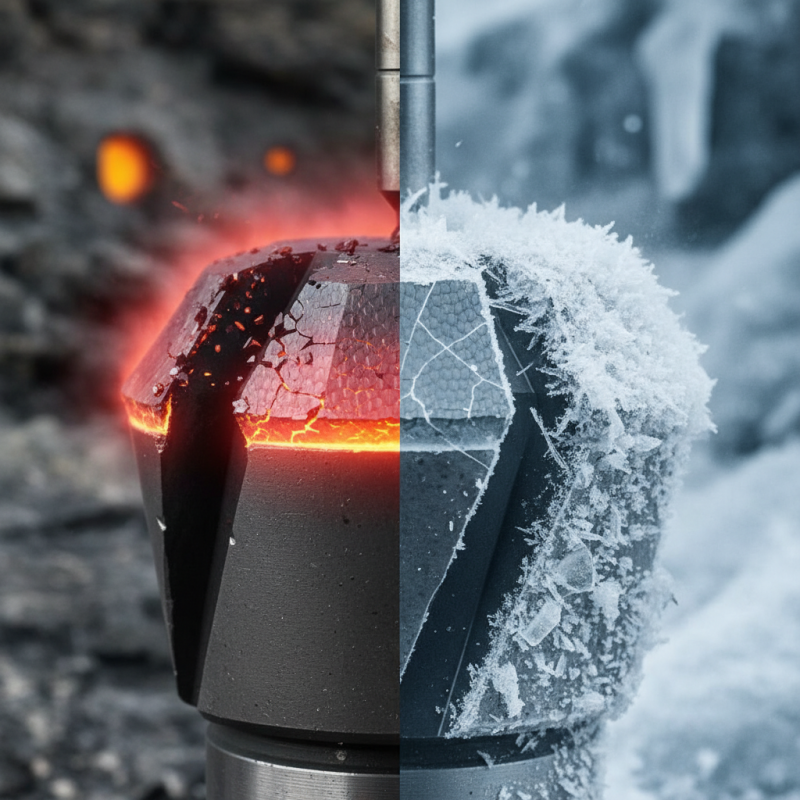
Temperature plays a crucial role in the performance of Polycrystalline Diamond (PDC) cutters. Research indicates that elevated temperatures can significantly influence the wear rate and overall lifespan of these cutting tools. The ideal working temperature for PDC cutters usually falls within 25°C to 60°C. Outside this range, their performance may deteriorate. For instance, at temperatures exceeding 60°C, the diamond can begin to degrade, resulting in premature failure.
It is essential to monitor operational temperatures closely. Data from industry studies show that a 10°C increase in temperature can double the wear rate of PDC cutters. This highlights the importance of maintaining optimal conditions in drilling environments. Overheating can lead to a loss of cutting efficiency and increased costs due to more frequent replacements.
**Tip:** Regularly check the temperature of your drilling fluids and equipment. Implementing cooling systems can mitigate the effects of heat. Additionally, be aware of environmental conditions where drilling occurs; high ambient temperatures can add stress to the tools.
Understanding how temperature impacts PDC cutter performance is vital for cost-effective drilling. Regular performance reviews and adjustments to your drilling practices can lead to longer cutter lifespans. However, optimizing conditions can be complex. Frequent reassessment of temperature management strategies is necessary for reliable operations.
Temperature plays a critical role in the lifespan of PDC cutters. High temperatures can significantly affect the properties of the materials used in their construction. When exposed to extreme heat, the tungsten carbide and diamond coatings may degrade. This degradation can weaken the cutter’s overall performance. As a result, operators can experience more frequent failures.
One mechanism of temperature influence involves thermal expansion. Different materials expand at different rates. This can lead to mechanical stress within the cutter. Over time, this stress accumulates and may cause cracks or other damage. Understanding these behaviors can help in making informed decisions about operating conditions.
Tips: Monitor your operating temperature closely. Ensure that your PDC cutters are not subjected to unnecessary heat. Regular inspections can help identify potential damage early. Also, consider using cooling fluids to maintain a consistent temperature during drilling. This keeps your equipment in optimal condition and extends its lifespan. Proper management is essential, as neglect can lead to costly repairs.
Temperature plays a crucial role in the lifespan of PDC (Polycrystalline Diamond Compact) cutters. Understanding the optimal temperature range for these tools is essential for their performance and longevity. Typically, PDC cutters operate best within a temperature range of 40°C to 60°C. Outside this range, wear and tear can accelerate, leading to increased costs for maintenance and replacements.
When operating at high temperatures, the risk of thermal degradation increases. This can result in reduced hardness and premature failure of the cutter. On the other hand, too low a temperature can lead to brittleness. It’s vital to monitor the operating environment to avoid extremes. Regular temperature checks can help in maintaining optimal performance.
**Tips:**
1. Use temperature gauges to monitor the conditions frequently.
2. Ensure proper cooling systems are in place during cutting operations.
3. Keep an eye on any signs of abnormal wear.
By maintaining proper temperature conditions, buyers can enhance the durability of their PDC cutters. Be mindful of the operational environment, as neglect can lead to unexpected challenges. Understanding these details fosters reliable usage and improved productivity.
This chart illustrates the effect of different temperatures on the lifespan of PDC cutters. As temperature increases from 0°C to 60°C, the lifespan of the cutters improves, reaching optimal performance around 60°C. However, beyond 80°C, a decline in lifespan is observed due to thermal degradation.
Temperature plays a crucial role in the lifespan of PDC (polycrystalline diamond compact) cutters. Extreme temperatures can greatly affect their wear and durability. Research shows that high temperatures, often exceeding 800°C, can significantly reduce the cutter’s ability to maintain sharpness. The cutters become more susceptible to thermal degradation. In contrast, extremely low temperatures can also lead to brittleness. The mechanical properties of these cutters are compromised when temperatures drop below certain thresholds.
When operating under extreme conditions, it is essential to monitor the temperature of the environment and the equipment. Data suggests that maintaining a stable temperature range can enhance performance. Cutters perform best in moderate temperatures around 25°C to 30°C. Maintaining this range can help to increase the lifespan of the cutter by up to 30% in some applications.
Tip: Regular temperature checks on both the cutters and drilling equipment can prevent unexpected failures.
Another factor to consider is the cooling mechanisms used during drilling. Inadequate cooling contributes to excess heat, leading to premature wear of PDC cutters. Research indicates that proper cooling can extend cutter life. Design your operation with efficient cooling systems to combat temperature extremes.
Tip: Invest in quality cooling fluids and regularly maintain your cooling systems to enhance performance.
When selecting PDC cutters, temperature plays a critical role in their performance. High temperatures can significantly reduce cutter lifespan. This is especially true in extreme drilling conditions. Buyers should pay close attention to temperature tolerances specified by manufacturers. Moderately elevated heat can cause thermal fatigue, which leads to premature failure.
Understanding the heat generated during drilling is essential. For example, the drilling fluid's effectiveness in cooling the cutter impacts heat levels. Buyers must consider the ambient temperature during drilling operations. If parts are operating near their heat limits, wear will accelerate. This reality requires careful decision-making. The choice of material in PDC cutters can also determine how well they resist temperature-related degradation.
Ultimately, selecting the right PDC cutter involves more than just knowing the basic specifications. Buyers must actively engage with their drilling conditions. An expert's insight could prevent costly mistakes. Monitor temperature impacts over time. This reflection can enhance cutter selection efficiency. Diligent attention to these factors can lead to improved drilling outcomes.
: The ideal working temperature for PDC cutters is between 25°C and 60°C.
A 10°C increase in temperature can double the wear rate of PDC cutters.
At temperatures above 60°C, the diamond may degrade, leading to premature failure.
Yes, extremely low temperatures can cause brittleness and compromise mechanical properties.
Implementing cooling systems can prevent overheating and extend cutter lifespan.
High ambient temperatures can add stress to PDC cutters, affecting their performance.
Inadequate cooling can lead to excess heat, resulting in premature wear of the cutters.
Buyers should consider temperature tolerances and the heat generated during drilling.
The effectiveness of drilling fluids in cooling affects the heat levels experienced by the cutter.
Regular assessments can optimize temperature management and enhance cutter longevity.
The article "How Temperature Impacts PDC Cutter Lifespan for Buyers?" explores the critical role temperature plays in the performance and longevity of PDC cutters. It delves into the mechanisms by which temperature influences cutter materials, highlighting how variations in temperature can affect wear and durability. Buyers must understand the optimal temperature range for PDC cutters to ensure they select products that will perform effectively in their specific environments.
How does temperature affect PDC cutter life? The article outlines the detrimental effects of both high and low temperatures on cutter performance, emphasizing the importance of temperature considerations in the selection process. By following the provided guidelines, buyers can make informed decisions that align with temperature factors, ultimately enhancing the lifespan and efficiency of their PDC cutters.

Elliott Cutters