The performance of PDC (Polycrystalline Diamond Compact) drill bits significantly impacts the efficiency of drilling operations. Understanding "When to replace a PDC drill bit?" is crucial for maintaining cost-effectiveness in drilling projects. Industry reports indicate that worn-out bits can lead to a reduction in penetration rates by up to 30%. This decrease not only inflates operational costs but also risks project timelines.
Regular monitoring of drill bit performance can prevent costly downtimes. Research shows that proactive replacement of PDC drill bits can reduce non-productive time (NPT) by as much as 20%. Bit wear directly affects the quality of boreholes. Inconsistent performance due to outdated bits can lead to improper wellbore conditions, amplifying the need for re-drilling.
Many operators underestimate the frequency of bit replacements. Factors like rock hardness and drilling depth can impact bit wear rates. Industry standards suggest replacing bits based on usage cycles and actual performance metrics. It's critical for drilling operators to adapt their strategies to avoid delayed project deliverables. Keeping a close eye on these variables is essential for long-term success and efficiency in drilling operations.
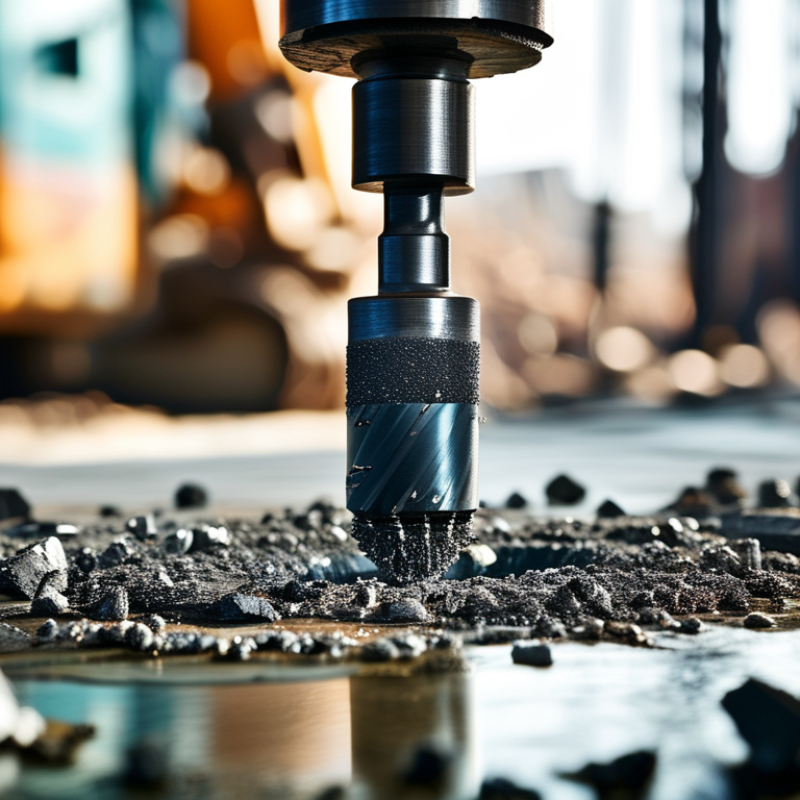
PDC (Polycrystalline Diamond Compact) drill bits are essential tools in the drilling industry. They are known for their exceptional hardness and durability. Understanding their importance can significantly impact drilling efficiency. PDC bits can increase penetration rates and reduce drilling costs. This makes them a popular choice among drilling professionals.
However, using PDC bits effectively requires knowledge of their wear patterns. Over time, these bits can lose sharpness. Signs of wear include inconsistent penetration and increased vibration. Monitoring these indicators helps in determining when to replace your bit. A thorough inspection can prevent costly downtime.
The choice of when to replace a PDC drill bit can be challenging. Operators often overlook subtle signs of deterioration. Waiting too long may result in inefficient drilling. Learning to identify wear can enhance performance. Emphasizing the bit's condition will lead to better outcomes and prolonged service life. Regular training and awareness can cultivate this knowledge.
| Performance Factor | Recommended Action | Replacement Timeframe | Impact on Operation |
|---|---|---|---|
| Bit Wear and Tear | Replace Bit | After 100-150 hours of drilling | Decreased efficiency and penetration rate |
| Increased Torque Requirements | Evaluate bit condition | If torque exceeds manufacturer recommendations | Potential for drill string failure |
| Unexpected Rate of Penetration Drop | Inspect and replace if necessary | Within current drilling run | Increased drilling time and costs |
| Chipping or Cracking of Cutter | Replace immediately | As soon as damage is noticed | Risk of severe operational issues |
| Cutting Edge Degradation | Consider replacement | After 200-250 hours of use | Lower drilling performance |
: Signs include a significant decrease in the rate of penetration and visible damage to the bit.
It's essential to inspect bits after every run to ensure they are in good condition.
Key factors include geological formations, drilling parameters, and cooling methods used during drilling.
A lower rate of penetration can reduce productivity by up to 30%. Monitoring is crucial.
Vibrations can signal bit damage, affecting precision and possibly leading to tool failure.
Inadequate cooling can cause excessive heat, leading to thermal fatigue and shorter lifespan.
If you notice rapid wear, consider replacing the bit to avoid costly downtime.
Establish benchmarks, track footage drilled, and monitor rate of penetration for better insights.
Optimizing weight on bit and rotary speed can significantly enhance bit longevity.
Analyzing drilling data trends can reveal inefficiencies and signal when to replace the bit.
Understanding when to replace a PDC drill bit is crucial for maintaining optimal drilling performance and efficiency. The article explores the significance of PDC drill bits and highlights key signs that indicate the need for replacement, such as diminished cutting efficiency, increased torque requirements, or noticeable wear patterns. Factors influencing the lifespan of these drill bits are also discussed, including drilling conditions, rock types, and operational practices.
Determining the optimal timing for changing a PDC drill bit can greatly impact overall drilling results. Best practices for replacement in the field, such as conducting regular inspections and adhering to maintenance schedules, are essential for ensuring consistent performance. Ultimately, knowing when to replace a PDC drill bit is fundamental for maximizing productivity and minimizing downtime in drilling operations.

 Elliott Cutters