China Top 10 PDC Cutters How to Prevent Oxidation?

Time:2026-09-29 Author:Sienna
0%

PDC cutters are small, but oxidation can weaken their performance before they reach the drill floor. This concern matters in China’s expanding drilling-tool market, where manufacturers compete on diamond quality, cobalt-binder control, and storage discipline. The USGS Mineral Commodity Summaries identifies cobalt as a critical industrial material used in cemented carbides. PDC cutters commonly depend on carbide substrates containing cobalt, so moisture and oxygen deserve careful control.

Industry guidance also supports a disciplined inspection process. IADC bit-recording practices separate cutter wear, thermal damage, and handling defects during bit evaluation. That distinction helps buyers compare China’s top ten PDC cutter suppliers more fairly. A cutter with a clean diamond table may still show oxidation around its carbide edge or braze area. Look closely. A reddish film, dull metallic color, or uneven surface can signal poor packaging or prolonged exposure.

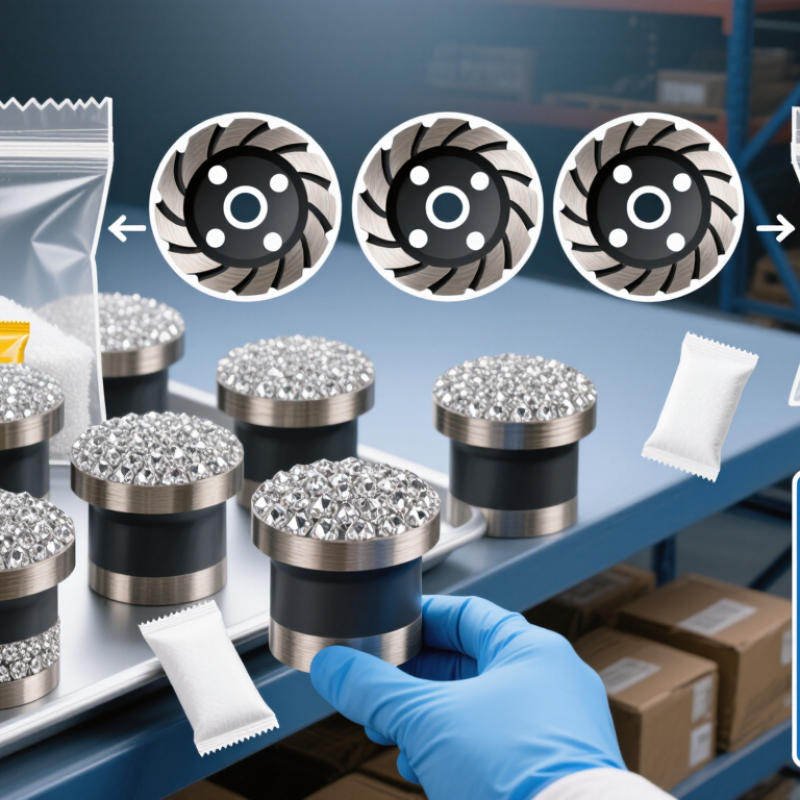
This guide examines how manufacturers prevent oxidation during production, transport, and warehouse storage. It also connects supplier claims with practical checks, including sealed barrier bags, desiccant quantity, humidity records, and FIFO inventory control. The key question is simple: How to store PDC cutters to prevent oxidation? In practice, the answer involves dry conditions, stable temperatures, clean handling, and regular inspection. However, not every supplier reports humidity data clearly. That weakness deserves attention. Buyers should request coating details, packaging specifications, inspection photographs, and relevant quality records before ordering. These steps cannot eliminate every risk, but they make oxidation easier to detect and prevent.
China Top 10 PDC Cutters How to Prevent Oxidation?

PDC Oxidation Mechanisms: Diamond and Cobalt Degrade Above 500°C in Air

PDC cutters can lose strength when heat and oxygen act together. Above 500°C in air, diamond surfaces begin oxidizing, while cobalt binder can also degrade. The 500°C threshold is not a magic wall. Local hot spots may appear much earlier near damaged edges, dull cutters, or blocked cooling paths.

Temperature control starts during cutting design and operation. Keep the cutter engaged smoothly, and avoid long pauses against the rock. Use sufficient drilling fluid to remove heat from the cutting face. Check flow rate, nozzle condition, and fluid cleanliness before work begins. A sudden drop in circulation deserves immediate attention. It may indicate a blocked passage or an overheated cutter.

Manufacturers and inspection teams should examine thermal damage under magnification. Look for darkened diamond, edge rounding, microcracks, and cobalt discoloration. Thermal cycling can create hidden stress, even when the cutter still looks usable. Controlled atmosphere processing can reduce oxidation during manufacturing, but field protection remains essential. In some applications, protective coatings or optimized cutter geometry may help, yet neither replaces cooling discipline. Test data should reflect actual load, speed, pressure, and air exposure. Laboratory results can mislead when field conditions differ. That part is often underestimated. Consistent temperature records, careful run-in procedures, and timely cutter replacement provide more reliable protection than appearance alone.

Thermal Control: Keep Conventional PDC Cutters Below 700°C During Use

China Top 10 PDC Cutters: How to Prevent Oxidation?

Thermal control is central to protecting conventional PDC cutters from oxidation. Keep the cutting temperature below 700°C during use. Above this range, heat can weaken the diamond table, damage the carbide substrate, and accelerate surface oxidation. Temperature may rise quickly at the cutter edge, even when the machine display looks normal. Short overheating events still matter.

Use moderate cutting speed, controlled feed pressure, and sufficient cooling. Remove chips continuously, because trapped debris can insulate the cutter and create local hot spots. Engineers should check cutter exposure, rake angle, and wear after each operating cycle. A simple temperature estimate is not enough. In practice, uneven rock and sudden friction often create unexpected heat. That assumption can be costly.

Tips: Watch for discoloration, glazing, or a sharp drop in cutting efficiency. These signs may indicate thermal damage. Use thermal sensors when possible, and record temperature changes during real operation. Avoid rapid cooling of an extremely hot cutter, since thermal shock may cause cracking. Allow a controlled cooldown instead. Inspect worn cutters rather than assuming they remain safe. Small adjustments in speed and pressure can prevent larger oxidation problems.

Coating Selection: Compare TiAlN and TiN Stability at 800°C Oxidation Tests

For China’s top 10 PDC cutters, oxidation control starts with coating selection, not polishing alone. At 800°C, TiAlN generally offers stronger protection than TiN. Aluminum forms a dense alumina-rich layer during heating. This layer slows oxygen diffusion. TiN can develop titanium oxides, which are less protective and may crack during thermal cycling.

Published studies in Surface and Coatings Technology often report lower mass gain for TiAlN than TiN during 800°C air exposure. ASM Handbook data also place TiN oxidation onset near 500–600°C, while aluminum-containing nitride coatings usually resist oxidation to higher temperatures. Results vary with aluminum content, coating thickness, grain structure, and test duration. The numbers are not universal.

A practical 800°C test should record mass gain, surface cracks, adhesion, and cutting-edge recession. A 1-hour furnace test may show TiAlN superiority, but drilling creates vibration, pressure, and repeated heating. That assumption can fail. In field trials, a dense TiAlN coating with poor adhesion may perform worse than a thinner, well-bonded TiN layer. Cross-sectional microscopy is essential after testing. The diamond table and cobalt binder also require attention, because coating stability cannot prevent thermal damage inside the cutter. For a ranked cutter program, I would screen both coatings at 800°C, then repeat tests under cyclic heating rather than relying on one static result.

Storage Protection: Maintain Below 60% RH with Desiccants and VCI Packaging

PDC cutters need controlled storage because moisture can attack exposed carbide surfaces and metallic interfaces. Keep the storage room below 60% relative humidity. A lower, stable level is often safer, especially during seasonal weather changes. Use a calibrated hygrometer near the cutters, not only beside the entrance. Readings should be recorded daily.

Dry the cutters completely before packing them. Even a thin water film can remain inside grooves, edges, or protective trays. Place fresh desiccants inside sealed containers, leaving space around each package. Replace them when the indicator changes color or the planned service period ends. Do not let desiccant bags touch sharp cutting edges. They can tear and leave particles behind.

VCI packaging offers an additional barrier against oxidation. Wrap each cutter with suitable VCI film, then seal the package with minimal air exchange. Avoid opening containers repeatedly in humid rooms. If inspection is necessary, allow the package to reach room temperature before opening. This reduces condensation on cold components. Check for discoloration, powdery deposits, or damaged packaging during routine inspections. A clean surface is not always proof of complete protection. Storage records, humidity logs, and packaging dates support traceability and more reliable quality decisions. No method is perfect; poor sealing or forgotten desiccants can still defeat a careful storage plan.

China Top 10 PDC Cutters: How to Prevent Oxidation? — Storage Protection: Maintain Below 60% RH with Desiccants and VCI Packaging
Storage Factor Recommended Practice Purpose Inspection or Action
Relative humidity Keep the storage area below 60% relative humidity (RH); use a lower target where practical for long-term storage. Limits condensation and moisture exposure that can contribute to corrosion of exposed metallic surfaces. Use a calibrated hygrometer or data logger. Investigate repeated readings at or above 60% RH.
Desiccants Place an appropriate quantity of desiccant inside sealed storage packaging, following the desiccant supplier’s instructions. Helps control moisture inside the package. Check package seals and replace or regenerate desiccant according to its instructions or moisture indicator.
VCI packaging Use compatible, sealed volatile corrosion inhibitor (VCI) packaging where suitable for the cutter materials and storage conditions. VCI materials can help protect susceptible metal surfaces within an enclosed package. Keep packaging intact and follow the packaging supplier’s guidance on material compatibility and handling.
Packaging condition Store cutters in clean, dry, closed packaging. Avoid punctures, open seams, and unnecessary opening. Reduces exposure to humid air, dust, and contaminants. Inspect packages on receipt and during scheduled storage checks; reseal promptly after access.
Temperature changes Store in a stable indoor environment and avoid moving cold packages directly into warm, humid conditions. Temperature changes can cause condensation on parts and packaging. Allow packaged items to acclimate before opening when condensation risk is present.
Handling Handle cutters with clean, dry gloves and avoid touching working surfaces with bare hands. Reduces transfer of moisture, salts, and oils from handling. Keep parts on clean, dry trays and return unused cutters to protected packaging.
Storage location Keep packages off floors and away from exterior walls, water sources, and areas subject to leaks or splashes. Reduces exposure to localized dampness and accidental water contact. Maintain clear access for visual checks and keep the area clean and dry.
Periodic inspection Establish a documented inspection schedule based on storage duration and site conditions. Helps identify damaged packaging, moisture ingress, or visible corrosion early. Record RH, package condition, inspection date, and corrective actions.
Material-specific requirements Follow the cutter manufacturer’s handling and storage instructions, especially for coatings, surface treatments, or mixed-material assemblies. Storage compatibility and corrosion sensitivity can vary by construction and finish. Treat the RH target as a general storage control, not a substitute for product-specific instructions.

China’s Top 10 PDC Cutters: Rank Wear, Co Retention, and 700°C Performance

A useful comparison of China’s top 10 PDC cutters should rank more than initial hardness. Wear resistance matters, but so does cobalt retention after heat exposure. Cobalt helps bind the diamond table to its substrate; excessive loss can weaken the interface. In a practical test, compare cutters under the same load, rotation speed, abrasive, and cooling conditions. Record wear-flat width and inspect for cracks or delamination. Small differences matter.

At 700°C, performance depends on exposure time, atmosphere, and temperature measurement. A brief test in inert gas does not predict long service in air, where oxidation can accelerate damage. Check whether the diamond table shows surface discoloration, edge chipping, or measurable mass loss after heating. To limit oxidation during storage, keep cutters dry, clean, and sealed from humid air; avoid unnecessary heating during handling or processing. Use a controlled furnace atmosphere when testing, and document the dwell time. Details count. Test results can still mislead if samples vary in geometry or finish. That is worth questioning before calling any ranking definitive.

FAQS

Why should conventional PDC cutters remain below 700°C during operation?

Temperatures above 700°C can weaken the diamond table and damage the carbide substrate. Oxidation may accelerate. The edge may overheat first. A machine display can miss short thermal spikes.

How can operators reduce cutting temperature?

Use moderate cutting speed, controlled feed pressure, and sufficient cooling. Remove chips continuously from the cutting area. Trapped debris can create local hot spots. Small adjustments often prevent larger damage.

What signs may indicate thermal damage?

Check for discoloration, glazing, edge chipping, or a sudden drop in cutting efficiency. Inspect the cutter after each cycle. Do not trust appearance alone. Hidden interface damage is possible.

Should thermal sensors be used during cutter testing?

Use thermal sensors when available, and record temperature changes during real operation. Measure near the cutting edge when possible. A simple estimate can mislead. Uneven rock may create unexpected friction.

How should overheated cutters be cooled?

Avoid rapidly cooling an extremely hot cutter. Thermal shock may cause cracking or interface damage. Allow a controlled cooldown. It takes patience.

What storage humidity is recommended for PDC cutters?

Keep storage humidity below 60% relative humidity, using a calibrated hygrometer near the cutters. Record readings daily. Stable humidity matters. Seasonal changes can still cause trouble.

How should cutters be packed for storage?

Dry each cutter completely before packing, including grooves, edges, and protective trays. Use fresh desiccants inside sealed containers. Keep bags away from sharp edges. Torn packets can leave particles behind.

How can packaging help prevent oxidation?

Suitable VCI film can add protection against humid air. Seal packages carefully and avoid repeated opening in damp rooms. Let cold packages reach room temperature before opening. This reduces condensation.

How should different PDC cutters be compared?

Test cutters under the same load, rotation speed, abrasive, cooling, and exposure time. Record wear-flat width and inspect cracks. Geometry matters. A ranking may still mislead when samples differ.

Conclusion

Preventing oxidation in PDC cutters starts with understanding how heat and air affect their materials. Above 500°C in air, diamond and cobalt can begin to degrade, so thermal management is essential. Conventional PDC cutters should be kept below 700°C during operation whenever possible. Coatings may offer additional protection, but their stability varies: compare TiAlN and TiN using oxidation performance at 800°C, while considering the intended operating conditions and coating integrity.

Storage conditions matter just as much as use. How to store PDC cutters to prevent oxidation? Keep them in a dry environment below 60% relative humidity and use desiccants with suitable vapor-corrosion-inhibitor packaging. When evaluating China’s top 10 PDC cutters, compare wear resistance, cobalt retention, and performance at 700°C. These measures support a practical, consistent approach to preserving cutter condition and service life.

Sienna

Sienna

Sienna is a skilled marketing professional with a deep expertise in our company’s core products and services. With a passion for innovation and detail, she plays a pivotal role in crafting insightful blog posts that not only highlight the unique features of our offerings but also provide valuable......