The oil and gas industry has long relied on Polycrystalline Diamond Compact (PDC) cutters for their efficiency in drilling. However, the question remains: "Why do PDC cutters fail during drilling?" Dr. James Ellison, a leading expert in drilling technology, emphasizes, "Understanding cutter failure mechanisms is crucial for enhancing performance." His insights shed light on the intricacies of cutter durability and operational reliability.
PDC cutters endure extreme conditions, including high pressure and temperature. These harsh elements can lead to unexpected failures, undermining drilling progress. For instance, poor bit design or improper drilling parameters can significantly impact cutter lifespan. Many operators fail to account for the geological variations encountered during drilling, which also contributes to cutter degradation.
Throughout the drilling process, fluctuating conditions may surprise even seasoned professionals. Recognizing these challenges allows for better preparation and response. The continuous exploration of "Why do PDC cutters fail during drilling?" invites both reflection and innovation. Engaging with these realities leads to improved solutions and a more robust understanding of PDC performance. This ongoing scrutiny is essential in pushing the industry toward greater reliability and effectiveness.
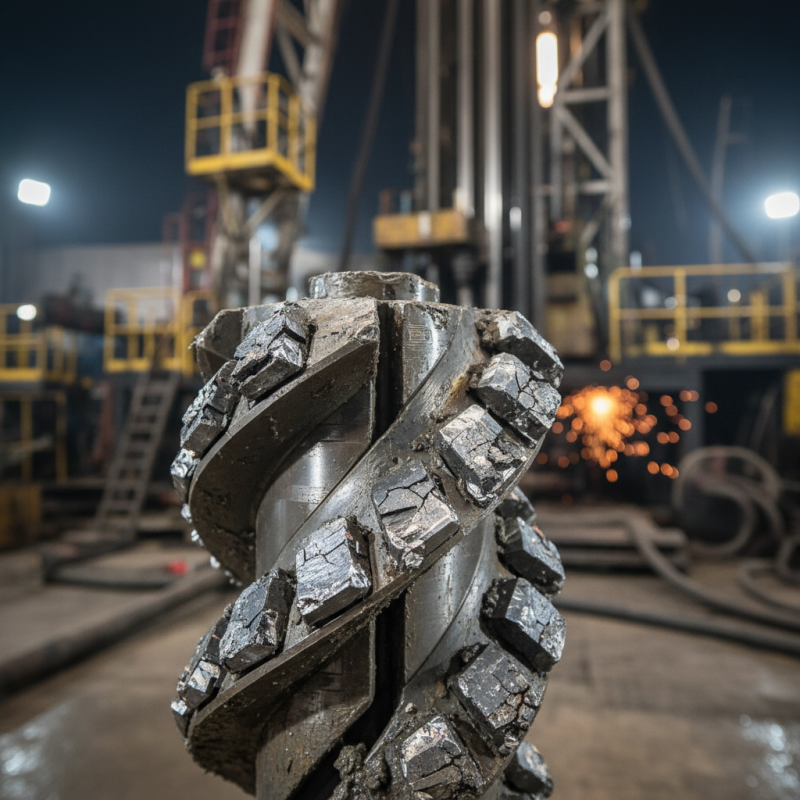
PDC cutters play a vital role in drilling operations. However, they often fail due to several common causes. According to a study by the Society of Petroleum Engineers, over 40% of PDC cutter failures occur due to impact damage. This can happen when drilling through hard rock formations or encountering unexpected geological conditions. Such impact can lead to chipping or breaking of cutter edges, significantly affecting drilling efficiency.
Another significant reason for PDC cutter failure is thermal degradation. Reports indicate that excessive heat generated during drilling can weaken PDC materials. If the temperature exceeds certain thresholds, it alters the cutter's microstructure, making them brittle. This environmental stress is often overlooked, yet it accounts for about 25% of total cutter failures.
Lastly, inadequate flushing while drilling can lead to premature cutter wear. When cuttings are not effectively removed, it increases friction and heat, further deteriorating PDC performance. A recent analysis revealed that nearly 30% of operations encountered such issues. Accurate monitoring of drilling parameters is crucial for minimizing these risks and improving operational reliability. Each drilling operation requires careful planning to address these prevalent causes of cutter failure.
The performance of PDC cutters is heavily influenced by rock properties. Hard rock formations often lead to rapid wear of these cutters, reducing their efficiency. For instance, a study by the Society of Petroleum Engineers (SPE) found that PDC cutters can fail within hours when drilling hard formations like granite, compared to days in softer formations. This wear results from the continuous grinding against tough mineral structures.
In addition, brittle rock types can cause chipping and fracture of the cutter. This issue often arises when drilling through limestone and sandstone, where stress concentrations exceed the cutter's threshold. In a recent review, it was noted that over 30% of cutter failures are attributed to fracture mechanisms in such formations. These failures not only affect the drilling speed but also increase operational costs due to frequent replacement and downtime.
Variations in rock density can also impact the effectiveness of PDC cutters. Denser rocks require higher energy to penetrate, which can lead to overheating and eventual cutter failure. In fact, the American Petroleum Institute (API) highlights that unnecessary heat generation is a primary reason for reducing cutter lifespan by up to 50%. These factors emphasize the need for a deeper understanding of rock mechanics in drilling operations.
Drilling parameters greatly influence the durability of PDC cutters. Proper adjustment of these parameters can extend cutter life. For instance, a report by the Society of Petroleum Engineers indicates that optimal weight on bit (WOB) reduces cutter wear by up to 30%. High drilling speeds, while tempting for efficiency, may actually accelerate cutter failure.
Temperature is another critical factor. High temperatures lead to thermal degradation of the diamond material. Research shows that maintaining temperatures below 1200°F can significantly enhance cutter performance. This suggests operators need precise thermal management during drilling operations.
**Tips:** Monitor the drilling cadence closely. Frequent adjustments may prevent overheating. Regularly review weight on bit to optimize wear rates. These small changes can lead to significant improvements in cutter lifespan. Testing different drilling fluids may also help reduce the likelihood of cutter failure.
This chart illustrates the top five reasons for PDC cutter failures during drilling, highlighting the percentage contribution of each cause to overall failures. Understanding these factors can help improve operational efficiency and cutter design.
Cooling and lubrication play a crucial role in the performance of PDC cutters during drilling operations. Proper cooling helps to dissipate heat generated by friction. Excessive heat can lead to thermal degradation, affecting the cutter’s durability. When the temperature rises, the cutter may become less effective, ultimately leading to failure.
In addition to cooling, lubrication reduces friction between the cutter and the rock formation. A well-lubricated cutter can operate more smoothly. It minimizes wear and tear, which extends the cutter’s lifespan. However, choosing the right lubricant is important. Some lubricants may not be suitable for all drilling environments. This might lead to unintended consequences, such as cutter failing prematurely.
Despite established principles, there are occasions when cooling and lubrication systems do not perform as intended. Disruptions in the cooling system can surprise operators. Inadequate lubrication might occur due to human error or equipment malfunction. These factors can lead to unforeseen cutter failures. Understanding and addressing these challenges is essential for improving drilling efficiency and cutter reliability.
Selecting the right PDC (Polycrystalline Diamond Compact) cutter is crucial for drilling success. Each formation requires specific attributes from the cutter. Hard rock formations demand cutters with more robust geometries and durable materials. If the wrong cutter is used, it can lead to quick wear and failure during drilling. This highlights the importance of understanding the geology of the drilling site.
Misalignment during the cutting process can also impact performance. Using suboptimal cutters can increase friction and wear. Operators must analyze wear patterns to ensure they are using the best cutters for their tasks. Proper training and knowledge about cutter types can mitigate common issues. Even experienced teams need to reassess their cutter selection periodically.
Moreover, factors like temperature and pressure at the drilling site can alter a cutter's effectiveness. Overlooking these can lead to unexpected failures. It's vital to incorporate feedback from previous drilling experiences. This practice allows for continuous improvements in cutter selection strategies. Mistakes should be analyzed to refine future decisions.
: PDC cutter failures often arise from impact damage, thermal degradation, and inadequate flushing during drilling.
Impact damage can chip or break cutter edges, especially in hard rock formations.
Excessive heat during drilling weakens PDC materials, making them brittle and prone to failure.
About 30% of drilling operations face failures due to poor flushing and increased friction.
Choosing the right cutter ensures durability and reduces wear, especially in varying geological conditions.
Misalignment can increase friction and wear on cutters, leading to faster failures.
Operators should analyze wear patterns and incorporate feedback from past drilling experiences.
Factors like temperature and pressure can impact cutter effectiveness and should not be overlooked.
Often, operators overlook monitoring drilling parameters, which can lead to cutter failures.
Continuous improvements require reassessment of cutter choices, including analyzing mistakes from previous operations.
PDC cutters are essential components in drilling operations, yet they frequently encounter failure, raising the question: "Why do PDC cutters fail during drilling?" Several common causes contribute to this issue, including the properties of the rock being drilled, which can significantly impact cutter performance. Hard or abrasive rock can lead to excessive wear, while unstable formations may cause unpredictable cutting dynamics that compromise cutter integrity.
In addition to geological factors, drilling parameters such as weight-on-bit and rotational speed affect the durability of PDC cutters. Inadequate cooling and lubrication can further exacerbate thermal damage, leading to premature failure. Finally, proper cutter selection is crucial; using the wrong type of cutter for specific drilling conditions can increase the risk of failure. Understanding and addressing these factors is vital for enhancing the success of drilling operations and prolonging the lifespan of PDC cutters.

Elliott Cutters