How to Measure PDC Cutter Wear in 5 Easy Steps?

Time:2026-08-25 Author:Isabella
0%

Understanding how to measure the wear of a PDC cutter is crucial for optimizing drilling performance. PDC cutters are essential in various drilling applications, and their wear can significantly affect productivity. Accurate measurement of cutter wear can help avoid costly downtime and enhance operational efficiency.

To effectively assess the condition of PDC cutters, operators can benefit from specific methodologies. These methods not only focus on visual inspections but also leverage advanced technologies. Operators often overlook the subtle signs of wear, leading to inefficient performance. Learning how to measure the wear of a PDC cutter entails understanding its wear patterns.

By adopting a structured approach, drilling teams can gain insights into the lifespan of their cutters. This knowledge facilitates informed decisions regarding maintenance and replacements. Even experienced personnel can miss crucial indicators. It's vital to stay vigilant and refine measurement techniques continuously. This ongoing refinement can lead to improved performance and reduced operational costs.
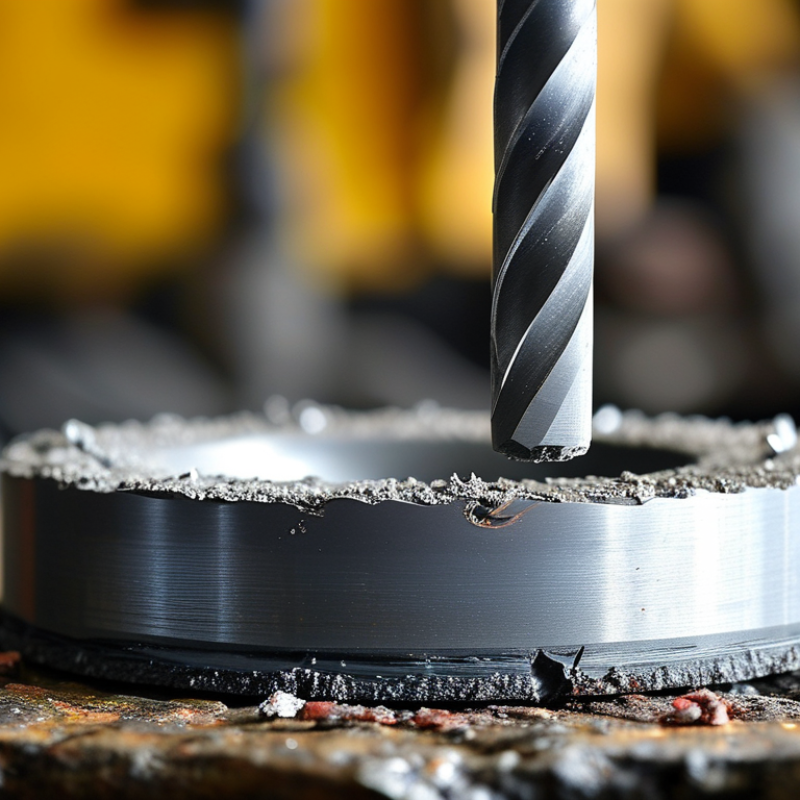
How to Measure PDC Cutter Wear in 5 Easy Steps?

Understanding PDC Cutter Wear and Its Importance

PDC cutter wear is a crucial aspect of drilling efficiency. Understanding this wear can prevent costly downtime and enhance performance. PDC cutters, or polycrystalline diamond compact cutters, experience wear due to the harsh conditions they face during drilling operations. High pressures and abrasive materials can wear down these tools quickly. Regular monitoring is essential to maintaining optimal functionality.

Measuring PDC cutter wear involves specific techniques that yield valuable data. By inspecting the cutting edges, wear patterns can be identified. Visual inspections can help highlight areas of significant wear, but tools can assist in providing quantitative data. Advanced measurement techniques often reveal more than the naked eye can see. This necessity reflects the ongoing challenge of balancing tool life with operational efficiency.

However, measuring wear is not always straightforward. Variability in geological conditions often leads to uneven wear patterns. Factors like depth, type of rock, and even ambient conditions can influence cutter life. An effective deployment of resources that analyze wear can lead to deeper insights. Companies need to embrace this complexity and continually adapt their measurement strategies. Learning from wear patterns is part of an iterative process that can drive innovations in drilling practices.

Step 1: Identifying Signs of Wear on PDC Cutters

Identifying signs of wear on polycrystalline diamond compact (PDC) cutters is vital in the drilling industry. You can start by examining the cutter’s cutting edge. A dull or rounded edge indicates wear. Look closely at the number of chipping or fractures. Even minor damages can affect performance significantly.

Next, assess the color of the cutter. A change in color may point to overheating or excessive wear. If the tool appears discolored, it might be time for maintenance. Don’t ignore visual indicators of wear, as they can save both time and costs. Additionally, monitor the cutter's performance while drilling. A decline in efficiency is often a red flag.

Regular inspections can help trends emerge. Documenting wear patterns can lead to actionable insights. It’s also a chance to refine your drilling methods. Remember, being proactive about cutter wear ensures better outcomes. You may encounter unexpected wear signs over time, prompting reevaluation of your techniques and equipment.

Step 2: Selecting Appropriate Measurement Tools for Wear Assessment

Selecting appropriate measurement tools for wear assessment is crucial in evaluating PDC cutter longevity. Various tools exist, each serving unique roles in wear analysis. A popular method involves the use of optical microscopes. They offer detailed insights into cutter wear patterns. Studies show that up to 30% of wear can be attributed to micro-scale defects unobservable to the naked eye.

Another effective measurement tool is the scanning electron microscope (SEM). This tool can analyze surface morphology and composition. According to industry reports, SEM usage has increased by 25% over the past five years for wear assessments. It allows for a better understanding of how cutting edges degrade over time. However, not all wear types are detectable through this method. For instance, chemical wear can be overlooked, highlighting the need for a comprehensive assessment strategy.

Lastly, hardness testers provide essential data on material integrity. A Vickers hardness test can pinpoint weaknesses in cutter materials. Reports suggest that nearly 15% of premature cutter failures are linked to hardness inconsistencies. Combining these tools can lead to better wear assessments, yet relying solely on one type could misrepresent the wear status. Regular recalibration and diverse tool utilization are necessary for optimal results.

Step 3: Conducting Visual Inspections for Wear Evaluation

Visual inspections play a crucial role in evaluating the wear of PDC cutters. Observations during these inspections can reveal important wear patterns. Key indicators to look for include chipping, cracking, or dulling of the cutter edges. These signs can significantly affect the cutter's performance, influencing drilling efficiency and tool longevity.

While conducting the inspection, it’s vital to use good lighting and a magnifying glass if necessary. Look closely at each cutter in the set. You may spot irregularities that are not visible in a quick glance. Pay attention to the wear distribution across the cutters. Sometimes, uneven wear can indicate issues with the drilling operation or the formation being drilled.

Document your findings in detail. Photographs can serve as valuable references for future inspections. If you notice unexpected wear patterns, reflect on the drilling parameters used. Are they appropriate for the formation, or could adjustments optimize performance? Continuous learning from these inspections fosters a deeper understanding of PDC cutter wear.

Step 4: Utilizing Advanced Technologies for Accurate Measurements

Accurate measurement of PDC cutter wear is crucial for optimizing drilling performance. Step 4 emphasizes utilizing advanced technologies. Technologies such as laser scanning and imaging play a significant role in this process. They allow operators to capture detailed surface profiles of the cutters, revealing wear patterns not visible to the naked eye. Reports indicate that employing these technologies can reduce measurement errors by up to 30%.

Furthermore, machine learning algorithms can analyze collected data. They identify trends in wear and predict future performance. In fact, a recent study highlighted how AI-based analysis could enhance the prediction accuracy of cutter life by 25%. This insight aids in timely maintenance, preventing unexpected failures that could halt operations.

However, the adoption of these technologies poses challenges. Some companies may lack the resources or expertise to implement them effectively. Training staff on new systems can be time-consuming. Balancing innovation with operational costs requires careful consideration. Embracing advanced measurement technologies should follow a well-structured strategy for maximum benefit.

Step 5: Interpreting Results and Planning for Replacements

Interpreting the results from PDC cutter wear measurements is crucial for effective maintenance planning. First, analyze the wear patterns you observed. Are they even across the cutter, or do some areas show excessive wear? Uneven wear could indicate issues with alignment or drilling parameters. Properly documenting these patterns allows for better insights into the cutter’s performance over time.

Next, gather your team to discuss the findings. Collaboration ensures different perspectives are considered. Maybe certain drilling techniques need adjustment based on the wear analysis. It’s essential to be open to the possibility that previous assumptions may have been incorrect. Don’t hesitate to question operational procedures if they seem outdated or ineffective.

Finally, plan for replacements based on your interpretations. Knowing when to replace cutters can save time and costs. Monitor wear rates over time, adjusting your maintenance schedule as needed. Acknowledging that wear is a normal part of the drilling process encourages proactive planning. This approach keeps operations efficient and reduces unexpected downtime. It’s an ongoing learning process, requiring regular review and adaptation.

PDC Cutter Wear Measurement Results

Measurement Parameter Value Unit Interpretation
Initial Diameter 40 mm Baseline measurement for wear calculations.
Current Diameter 38.5 mm Indicates wear level and possible need for replacement.
Wear Percentage 3.75 % Within acceptable limits, but monitoring is advised.
Average Cutting Depth 20 mm Reflects the typical operational conditions.
Recommended Replacement Timeframe Every 6 months Based on wear trends and operational patterns.

FAQS

: Why are visual inspections important for PDC cutters?

: Visual inspections reveal wear patterns like chipping and dulling. These affect drilling efficiency significantly.

What indicators should I look for during inspections?

Key indicators include chipping, cracking, and dulling on cutter edges. Irregularities may indicate deeper issues.

How should I conduct a thorough inspection of the cutters?

Use good lighting and a magnifying glass. Examine each cutter closely for irregular wear distribution.

What should I do if I notice unexpected wear patterns?

Reflect on the drilling parameters. Consider if adjustments are needed for optimal performance.

How can advanced technologies help in wear measurement?

Technologies like laser scanning capture detailed surface profiles. They reveal wear patterns not visible to the eye.

What are the benefits of using AI in analyzing cutter wear?

AI can predict future performance and enhance prediction accuracy of cutter life by 25%. This aids in maintenance.

What challenges might arise when adopting new technologies for inspections?

Limited resources or expertise can hinder effective implementation. Training staff can be time-consuming and costly.

Why is documenting findings during inspections important?

Detailed documentation provides valuable references for future inspections. Photographs can help in long-term analysis.

Is it always easy to balance innovation with operational costs?

No, balancing innovation and costs requires a well-structured strategy. It’s a challenging but necessary process.

How can I improve my understanding of PDC cutter wear?

Continuous learning through inspections and technology can enhance your understanding. Reflect on your findings regularly.

Conclusion

Measuring the wear of a PDC cutter is crucial for maintaining cutting efficiency and prolonging tool life. The article outlines a comprehensive five-step process to effectively assess PDC cutter wear. First, it emphasizes the importance of understanding the signs of wear, which helps in early detection. Next, selecting the appropriate tools for measurement is essential for accurate assessment. The article then details methods for conducting visual inspections to evaluate wear, followed by the use of advanced technologies that offer precise measurements.

Finally, interpreting the results is critical for planning timely replacements, ensuring optimal performance in drilling operations. By following these five steps, one can effectively address the question: "How to measure the wear of a PDC cutter?" and enhance overall operational efficiency.

Isabella

Isabella

Isabella is a dedicated marketing professional with a sharp focus on driving brand growth and engagement through strategic content creation. With an extensive background in digital marketing, she combines her passion for storytelling with her keen understanding of industry trends to deliver......