Understanding the durability of PDC cutters in abrasive soil is crucial for drilling efficiency. These cutters, known for their strength, face unique challenges in harsh conditions. What is the lifespan of a PDC cutter in abrasive soil? This question resonates with professionals seeking to optimize their drilling operations.
Abrasive soil can drastically shorten the cutter's life. Factors like rock composition and cutting speed heavily influence performance. Engineers often find it challenging to predict lifespan accurately. Reliable data can make a significant difference in maintenance planning. With insufficient insights, operators risk costly downtime and increased expenses.
Exploring this topic reveals gaps in existing research. More studies are needed to understand how different abrasive materials affect cutter longevity. This understanding can lead to better materials and designs in future cutter technology. Addressing these uncertainties is key for improving drilling confidence and efficiency.
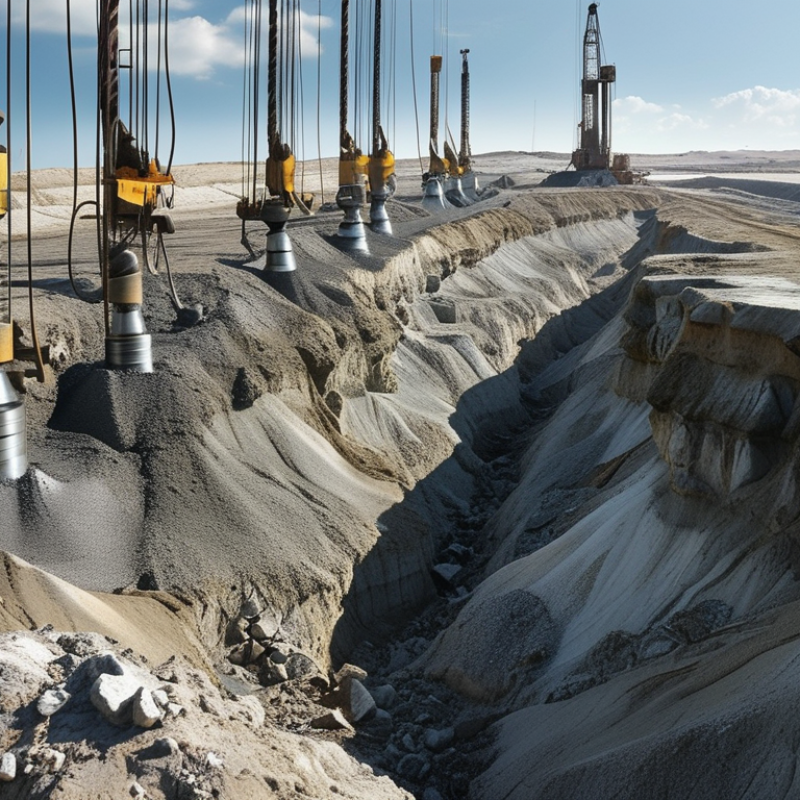
Polycrystalline diamond compact (PDC) cutters are crucial tools in the drilling industry, particularly in abrasive soil. These cutters are designed to withstand extreme conditions and enhance drilling efficiency. Their functionality in abrasive environments is noteworthy. PDC cutters consist of numerous diamond particles, which give them exceptional hardness. This hardness allows them to cut through tough materials effectively.
However, using PDC cutters in abrasive soil comes with challenges. The lifespan of these cutters can be affected by the nature of the soil, the drilling speed, and the applied weight. In abrasive conditions, the cutters experience significant wear. Engineers often observe varying rates of degradation, which raises questions about optimal usage and maintenance.
It's important to monitor performance regularly. Data collection on wear patterns can help optimize the lifespan of PDC cutters. Companies must reflect on the balance between efficiency and durability. These insights can lead to better decisions in cutter selection and drilling practices, ultimately enhancing overall project outcomes.
The lifespan of PDC (Polycrystalline Diamond Compact) cutters depends significantly on various environmental factors. In abrasive soil conditions, these cutters face intense wear and tear. The hardness and abrasiveness of the soil directly affect their durability. PDC cutters can wear down quickly in these challenging conditions. High mineral content or rocky terrains can severely shorten their lifespan.
Temperature fluctuations also play a role. Extreme heat can weaken the structural integrity of PDC materials. Conversely, cold temperatures can make them more brittle. Understanding the thermal conditions can help predict cutter performance. Furthermore, the speed and pressure applied during drilling influence cutter longevity. High rotational speeds can lead to overheating, causing premature failure.
Operational practices are critical too. Regular maintenance checks and adjustments can extend the lifespan of PDC cutters. Operators should be trained to identify signs of wear early. However, not all teams prioritize this. Some overlook routine inspections, leading to unexpected downtime. Recognizing and addressing these factors can improve cutter performance in abrasive environments. This requires constant vigilance and adaptability.
When discussing the lifespan of Polycrystalline Diamond Compact (PDC) cutters in abrasive soil, it's vital to compare their performance with other cutter types. Research indicates that PDC cutters often outperform conventional types in tough conditions. According to an industry report, PDC cutters can last up to 20% longer when used in abrasive environments. Their hard surface resists wear effectively, making them a preferred choice for drilling operations.
However, it's important to address the limitations of PDC cutters. While they excel in longevity, their performance may diminish in more extensive, less abrasive conditions. Some projects might not justify the higher initial investment if the soil conditions do not warrant it. A recent study revealed that in softer soils, traditional roller cone bits maintained effectiveness and provided adequate lifespan, sometimes matching PDC cutters in cost-efficiency.
Moreover, the operator's experience plays a critical role in maximizing cutter lifespan. Incorrect drilling parameters can lead to premature wear, regardless of the cutter type. Reports suggest an average 15% performance drop due to improper deployment of PDC cutters in less-than-ideal scenarios. Hence, selecting the right cutting tool involves a delicate balance of conditions, operator skills, and project budgets.
In abrasive soil conditions, PDC (polycrystalline diamond compact) cutters exhibit variable wear rates. Reports indicate that wear rates can reach up to 40% faster in highly abrasive formations compared to softer soils. Industry studies emphasize that the lifespan of these cutters often ranges from 100 to 300 hours before significant performance degradation is observed.
One specific data analysis from a drilling operation showed average wear rates of 3.2 mm per hour in abrasive soil. This is notably higher than wear rates in non-abrasive environments, which average around 0.8 mm per hour. The increased friction and challenges posed by abrasive materials force cutting tools to undergo more wear. Factors like rock type and moisture also influence these rates, complicating predictions.
Moreover, some operators have noted unexpected failures within the expected lifespan. Most of these incidents stem from extreme geological conditions or improper equipment calibration. Such observations highlight the need for continuous monitoring and adjustment of drilling parameters. This ongoing evaluation promotes better cutter longevity and performance, ensuring efficient drilling operations in abrasive contexts.
In the realm of drilling applications, the lifespan of Polycrystalline Diamond Compact (PDC) cutters can be significantly affected by abrasive soil conditions. Research indicates that PDC cutters in abrasive environments may last between 75 to 200 hours of drilling time, depending on the rock type and drilling parameters. Factors such as weight on bit, rotational speed, and cooling methods play crucial roles in determining wear rates.
To extend the lifespan of PDC cutters, professionals should implement best practices tailored to specific drilling situations. Regular monitoring of operational parameters is vital. For instance, adjusting the weight on the bit can optimize cutting efficiency and reduce excessive wear. Using adequate fluid circulation helps to cool the cutters and remove debris, which can otherwise accelerate degradation. Studies have shown that maintaining proper lubrication can extend cutter life by up to 30%.
Another strategy involves selecting the right cutter design for the job. Engineers must carefully consider the hardness and abrasiveness of the soil when choosing PDC cutters. Not all PDC configurations are suitable for all conditions. Even minor oversight in design selection can lead to increased costs and project delays. Adapting to the specific challenges of the drilling environment is essential for maximizing cutter performance and longevity.
This chart illustrates the average lifespan of PDC (Polycrystalline Diamond Compact) cutters when used in various types of abrasive soil. The data is based on geological studies and common drilling applications.
: The lifespan is affected by soil conditions, temperature, pressure, and operational practices.
In abrasive soils, cutters face intense wear and can wear down quickly.
Extreme heat can weaken cutters, while cold temperatures can make them brittle.
High rotational speeds can cause overheating and lead to premature cutter failure.
Regular checks can extend the lifespan, but some teams overlook this, risking unexpected downtime.
Wear rates can be 40% faster in abrasive soils, averaging 3.2 mm per hour.
Extreme conditions or improper calibration can lead to unexpected cutter failures.
Ongoing evaluation of drilling parameters is essential for better cutter longevity.
Lifespan typically ranges from 100 to 300 hours before significant performance degradation.
Yes, it can lead to unexpected failures and reduce efficiency in operations.
PDC cutters, or polycrystalline diamond cutters, are essential tools in drilling operations, particularly in abrasive soil conditions. Understanding what factors affect the lifespan of a PDC cutter in abrasive soil is crucial for optimizing drilling efficiency and reducing costs. Several elements such as the geology of the soil, the operational parameters, and the design of the cutters themselves play significant roles in determining their longevity.
Industry-specific data indicates that PDC cutters tend to wear at varying rates depending on the abrasiveness of the materials being drilled. Comparative analysis reveals that while PDC cutters can outperform other cutter types in many situations, their lifespan can be considerably affected by environmental conditions. To maximize their effectiveness, best practices for extending the lifespan of PDC cutters include selecting appropriate drilling parameters and regular maintenance checks. Ultimately, understanding "what is the lifespan of a PDC cutter in abrasive soil?" can lead to more informed decisions and improved performance in drilling applications.

Elliott Cutters