Identifying high-quality PDC (Polycrystalline Diamond Compact) cutters is crucial for various drilling applications. According to a recent report by MarketsandMarkets, the global PDC cutter market is projected to reach $2.1 billion by 2025, highlighting the growing importance of quality in this sector.
But what makes a high-quality PDC cutter? Dr. Emily Chen, a leading expert in drilling technology, states, "The durability and performance of a PDC cutter directly influence the efficiency of drilling operations." This assertion underscores the need to evaluate not just the material but also the design and manufacturing processes involved.
Moreover, industry standards vary widely, with some products failing under rigorous drilling conditions. Identifying quality often requires experience and a detailed examination of the cutter's attributes, including diamond grain size and the quality of its bonding. As the demand for more efficient drilling grows, understanding these factors becomes increasingly vital for operators aiming to improve their drilling performance.
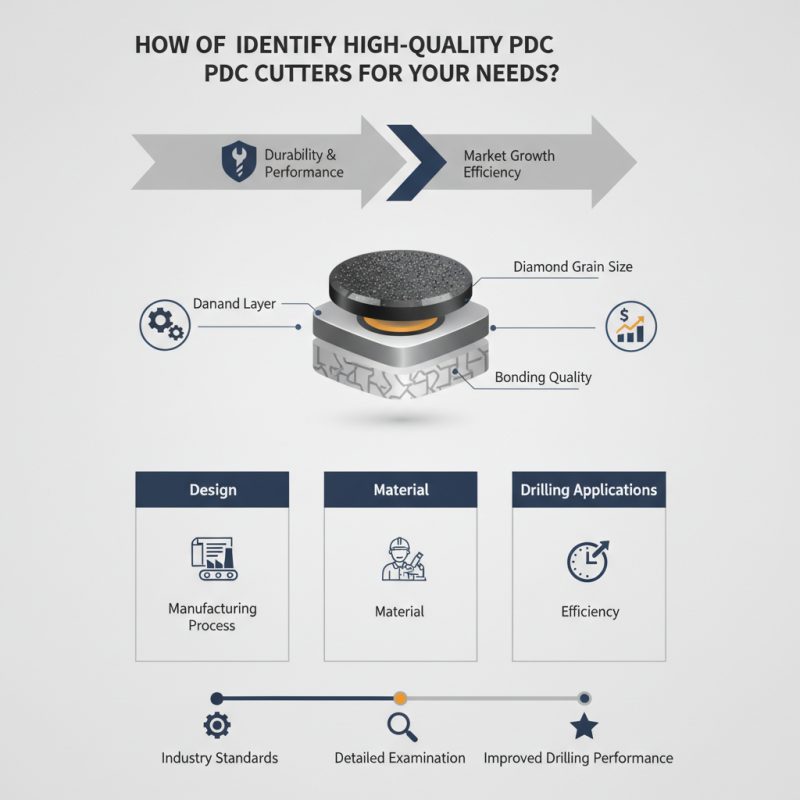
PDC cutters, or polycrystalline diamond compact cutters, are vital tools in various industries. They are specifically designed for drilling in hard rock formations. Understanding their applications can enhance their effectiveness. PDC cutters are commonly used in oil and gas exploration, mining, and construction. Their unique composition makes them suitable for drilling through tough materials.
The effectiveness of PDC cutters lies in their structure. Each cutter is made of diamond particles bonded together under high pressure. This enhances durability and cutting efficiency. When selecting PDC cutters, consider factors like size, shape, and material type. The cutter's design can significantly influence performance. Not all cutters perform equally in different conditions. It's important to analyze the specific requirements of your drilling projects.
Drilling technology continues to evolve. Advanced designs emerge, incorporating various innovations. However, not every new technology proves effective in practice. You may experience issues with wear or breakage. Conducting thorough testing and adjustments is crucial for optimal performance. Regular feedback from experienced operators can inform better choices in cutter selection. Understanding the strengths and limitations of PDC cutters leads to more informed decisions.
When selecting high-quality PDC (Polycrystalline Diamond Compact) cutters, understanding key characteristics is crucial. Firstly, examine the diamond quality. High-grade diamonds enhance cutting efficiency and lifespan. Look for uniformity in size and shape. Imperfections can lead to uneven wear and decreased performance.
Another important aspect is the matrix material. A robust matrix binds the diamonds effectively, providing stability during operation. Materials that withstand high temperatures are preferable. Pay attention to the cutter's design as well. Certain designs improve fluid flow and reduce vibration, leading to better overall results.
Durability should not be overlooked. Test cutters on different rock types to see how they perform under various conditions. Sometimes, cutters may fail to meet expectations in specific applications. Gathering user feedback can help refine your selection process. Be prepared to adjust your choices based on performance data.
| Characteristic | Description | Importance |
|---|---|---|
| Diamond Quality | The purity and hardness of the diamond, which affects cutting efficiency and durability. | Critical |
| Matrix Material | The binding matrix that holds the diamond particles; impacts wear resistance and cutter strength. | High |
| Bit Design | Shape and layout of the cutter affects penetration efficiency and heat dissipation. | Very Important |
| Thermal Stability | Ability to withstand high temperatures during cutting, which extends cutter life. | Essential |
| Particle Size | Size of diamond particles influences cutting ability and wear rates. | Important |
When evaluating the performance and longevity of PDC cutters, it is essential to consider several key factors. The material composition, design, and manufacturing quality all play critical roles in how well a cutter will perform under specific drilling conditions. Pay attention to the characteristics of the diamond coating and the overall geometry of the cutter. These elements influence both the durability and efficiency during operations.
Tips: Examine the cutter’s weight. A lighter cutter may indicate a less durable design. Check for signs of wear after initial use. This observation can help assess its longevity.
Another vital aspect is the testing methodology used to evaluate the cutters. Reliable data often comes from standardized tests that simulate real drilling conditions. Many manufacturers conduct these tests rigorously. However, it is crucial to consider potential discrepancies in testing environments. A cutter that performs well in lab conditions may not always succeed in the field.
Tips: Seek independent reviews or testimonials. User feedback is invaluable for understanding real-world performance. Research the experience of others before making a decision.
When selecting the right PDC (Polycrystalline Diamond Compact) cutter for specific projects, understanding the geology is essential. The rock type significantly impacts the cutter's performance. According to a 2022 industry report, soft formations typically require a softer diamond grade. Conversely, hard rock formations necessitate a tougher, more durable diamond cutter. This knowledge can directly influence drilling efficiency and overall project success.
In addition to rock types, consider cutter geometry. A recent study indicated that a larger diameter can improve rate of penetration (ROP) in certain formations. However, larger cutters may be less effective in harder materials. The balance between size and hardness is crucial. Striking this balance often depends on job-specific requirements and geological conditions.
It's important to recognize that no one-size-fits-all solution exists. Experience from seasoned professionals shows that project environments can change. This variability requires a flexible approach to cutter selection. Sometimes, trial and error in the field leads to better insights than pre-established norms. Flexibility in adopting new innovations also plays a role in achieving optimal results.
This chart illustrates the performance metrics of various types of PDC cutters categorized by their application suitability.
When selecting PDC cutters, avoiding common mistakes is crucial. Many users overlook the cutter’s application specifics. Each application demands unique features. Failing to consider these can lead to increased costs and inefficiency. For example, a study by the Society of Petroleum Engineers highlights that mismatched PDC cutters can reduce drilling efficiency by up to 30%.
Another prevalent error is ignoring the quality of materials used in the cutters. High-quality tungsten carbide and reliable bonding methods are essential for durability. Cheap alternatives may save costs initially but often result in rapid wear and frequent replacements. According to recent industry reports, using low-grade cutters can increase operational downtime significantly.
Tips: Always evaluate the manufacturer’s track record. Seek out those with proven expertise in the field. Compare material specifications and performance data thoroughly. Customization based on your specific geological conditions can be a game changer. PDC cutters are not a one-size-fits-all solution—each selection is a strategic decision.
: PDC cutters are used for drilling in hard rock formations. They serve in oil, gas, mining, and construction.
The diamond particles bonded under high pressure enhance cutting efficiency and durability. Structure matters for performance.
Consider size, shape, and material type. The design should match your specific drilling requirements.
No, not every new technology proves effective. Some may have wear or breakage issues. Testing is critical.
Ignoring the specifics of the application can reduce efficiency significantly. Each project has unique needs.
High-quality materials ensure durability. Low-grade cutters may save money but lead to frequent replacements.
Evaluate manufacturers’ track records. Research material specs and performance data thoroughly for informed choices.
Yes, customizing based on geological conditions can improve drilling performance significantly.
Using mismatched PDC cutters can decrease drilling efficiency by up to 30%. That's a significant risk.
Regular feedback from experienced operators can guide better choices in cutter selection and optimize performance.
When considering the question, "What makes a high-quality PDC cutter?" it is essential to understand the fundamental characteristics that distinguish superior tools from inferior ones. High-quality PDC cutters are recognized for their durability, precision, and efficient performance in various applications, including drilling in diverse geological conditions. Factors such as the material composition, design features, and manufacturing processes significantly influence their quality.
To effectively evaluate PDC cutter performance and longevity, one must assess their wear resistance and cutting efficiency, ensuring that the selected tool aligns with specific project requirements. Common mistakes to avoid when choosing PDC cutters include neglecting to assess the working environment and failing to match the cutter specifications with the intended application. By understanding these key aspects, users can select the most suitable PDC cutter for their needs, ensuring optimal results in their projects.

Elliott Cutters