Efficient measurement of PDC cutter wear is crucial for optimizing drilling operations. The wear of these cutters directly impacts performance and cost. Operators often face challenges in accurately assessing this wear. So, how to measure the wear of a PDC cutter?
Using methods such as visual inspections, imaging technologies, and wear measurement devices can help. Breaking down these methods reveals their pros and cons. Some tools provide precise data but may require specialized training. Others yield quick results, yet they might lack accuracy. Understanding these trade-offs is essential for making informed decisions.
The industry continually seeks more reliable techniques. Innovations in technology could simplify this process. However, continuous reflection on existing methods is necessary. Experience and expertise can steer operators toward effective solutions. Ultimately, the goal is to enhance drilling performance while managing costs efficiently.
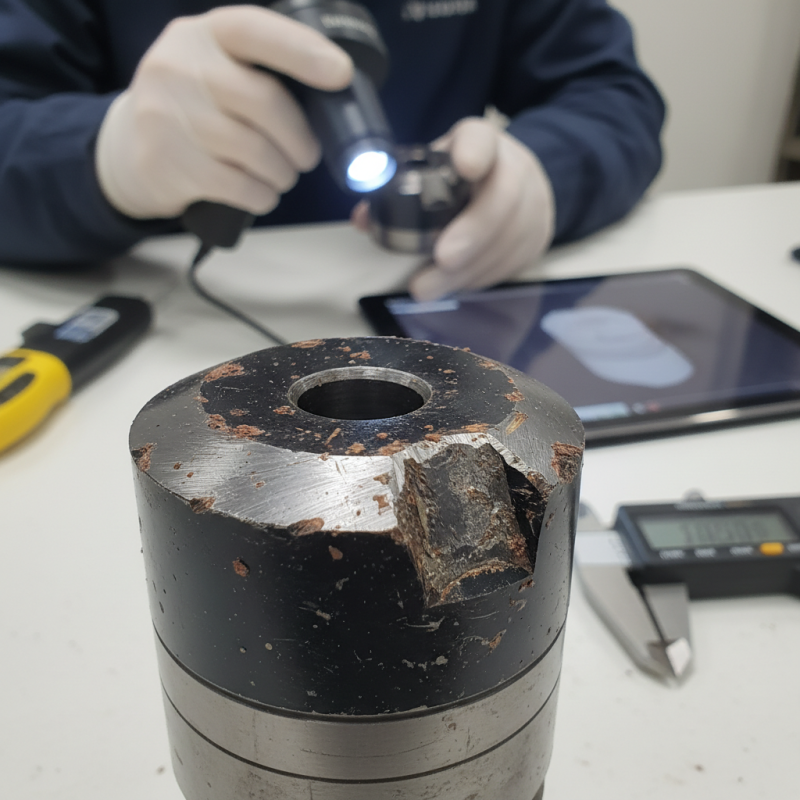
Measuring PDC (polycrystalline diamond compact) cutter wear is essential for ensuring operational efficiency in drilling. Industry standards emphasize the importance of accurate wear measurements to enhance performance. Reports indicate that cutter wear can impact drilling rates by up to 30%. This decline not only leads to increased costs but also affects the quality of the boreholes.
Adopting a systematic approach to cutter inspection is crucial. The use of laser scanning technology is gaining traction. It provides detailed topographical data, allowing for clear visualization of wear patterns. Industry standards such as API RP 7G-2 guide these practices, yet inconsistencies in measurement techniques pose challenges. While some companies prefer manual evaluations, they may overlook critical details.
Tips: Regular audits of wear measurement tools can lead to better accuracy. Take time to calibrate devices according to manufacturer specifications. Training staff on the latest measurement technologies increases reliability. Remember, even minor inaccuracies can lead to significant operational setbacks. Reflections on past projects may reveal overlooked factors in wear assessments. Embracing constant review processes can enhance current practices.
Measuring PDC cutter wear requires a keen understanding of key wear indicators. The main metrics to consider include wear flat, chipping, and abrasion depth. These factors significantly affect drilling efficiency, often leading to unexpected costs. Studies indicate that a 10% increase in cutter wear can reduce overall drilling performance by 25%.
Another important parameter is the rate of wear during operations. On average, PDC cutters experience 0.5 to 2 mm of wear per hour, depending on the geological conditions. For instance, harder formations tend to accelerate wear. Monitoring these metrics in real time can prevent failures and optimize cutter longevity.
Data from industry reports show a direct correlation between cutter wear and drilling speed. Wear flats larger than 1 mm can hinder drilling efficiency. A proactive approach, employing advanced monitoring systems, may improve overall cutter life. Regularly reviewing these metrics allows engineers to adapt their strategies accordingly. However, the challenge lies in the accurate collection of wear data, often complicated by environmental factors.
In the realm of drilling, measuring PDC cutter wear is vital. Advanced technologies have made real-time wear measurement a reality. Sensors and imaging tools provide data on cutter conditions. These innovations enhance decision-making during drilling operations.
Tips: Always calibrate your equipment regularly to ensure accuracy. Small discrepancies can lead to significant measurement errors.
Real-time data allows for immediate adjustments. With this, operators can optimize drilling parameters. Understanding wear patterns helps in predicting cutter failure. Continuous monitoring reduces downtime and increases efficiency.
Tips: Develop a routine for analyzing historical wear data. This can reveal trends and potential issues ahead of time.
While these technologies are beneficial, they are not foolproof. Misinterpretations of data can occur. It’s essential to cross-verify findings from different sources. Incorporating feedback from field experts can refine measurement processes.
In the drilling industry, understanding PDC cutter wear is crucial for optimizing operational efficiency. Analyzing wear patterns provides insights into performance. According to recent industry reports, up to 30% of drilling inefficiencies stem from unmonitored cutter wear. This data suggests that systematic wear analysis can lead to significant cost savings.
To correlate wear data with operational efficiency, operators must monitor various factors. These include penetration rates, weight on bit, and rotation speed. Regular data collection can reveal wear trends that affect overall drilling performance. By establishing benchmarks, teams can identify when cutter replacement is necessary, minimizing downtime and unnecessary costs.
Tips for effective measurement include utilizing advanced monitoring technologies. Employ wear sensors to capture real-time data. This can enhance decision-making and predictive maintenance strategies. It's also essential to involve experienced personnel in interpreting the data. Their insights can lead to more informed operational adjustments, effectively extending cutter life. Finally, keep a detailed log of wear patterns for retrospective analysis. Data from past projects can guide future drilling strategies, ultimately improving efficiency.
PDC cutters are essential in drilling operations. Their wear can significantly affect performance. Regular maintenance is key to prolonging their lifespan. According to industry reports, improper management can lead to a 30% increase in operational costs due to unplanned downtime.
Routine inspections should focus on checking for chipping or erosion. Engineers recommend measuring wear every 100 hours of use. Monitoring can help identify wear patterns and predict when replacement is needed. Setting up a database for wear data enhances lifecycle management. This approach aids in making informed decisions and planning for replacements more effectively.
Moreover, training personnel on proper handling is crucial. Even small mistakes can cause setups to become inefficient. Not all teams prioritize this training. Those that do often report a 25% decrease in accidents. Ultimately, effective lifecycle management requires consistent effort and attention to detail.
: Measuring wear is vital for optimizing drilling performance and avoiding inefficiencies.
It's recommended to measure wear every 100 hours of use for effective monitoring.
Advanced sensors and imaging tools provide real-time data on cutter conditions.
Analyzing past data reveals trends, helping to predict issues and make informed adjustments.
Misinterpretations can arise, making it essential to cross-verify findings from various sources.
Proper training helps avoid mistakes that could lead to operational inefficiencies and accidents.
Unmonitored wear can lead to up to 30% of drilling inefficiencies and increased costs.
Regular calibration of equipment is essential to avoid significant measurement errors.
Establishing benchmarks helps identify when cutter replacement is necessary, reducing downtime.
Investigate the root cause and consult with experienced personnel for effective solutions.
The article "How to Measure PDC Cutter Wear Efficiently?" provides a comprehensive guide on evaluating the wear of Polycrystalline Diamond Compact (PDC) cutters, highlighting key industry standards and practices. It addresses the question of how to measure the wear of a PDC cutter by identifying crucial indicators such as metrics and parameters that can be used to assess tool degradation. Furthermore, it discusses the integration of advanced technologies for real-time wear measurement, enabling operators to monitor performance dynamically.
In addition, the article emphasizes the importance of analyzing wear patterns to correlate data with operational efficiency, providing insights into how wear affects overall productivity. Finally, it outlines best practices for the maintenance and lifecycle management of PDC cutters, ensuring that operators can maximize cutting efficiency and extend the lifespan of their tools. This holistic approach offers practical strategies for efficiently measuring and managing PDC cutter wear in the industry.

Elliott Cutters