How to Enhance Thermal Stability of PDC Cutters Effectively?

Time:2026-07-31 Author:Charlotte
0%

Enhancing the thermal stability of Polycrystalline Diamond Compact (PDC) cutters is crucial for their effectiveness in drilling applications. As drilling depths and temperatures increase, PDC cutters face accelerated wear and degradation. Industry reports indicate that suboptimal thermal stability can lead to a 25% reduction in cutter lifespan, significantly impacting operational efficiency.

How to improve PDC cutter thermal stability? This question underlines the importance of material selection and manufacturing precision. Advanced coating technologies can improve thermal resistance, yet many manufacturers still rely on outdated methods. It's essential to evaluate existing techniques critically and adopt innovative approaches.

Continuous research highlights the need for collaboration among drilling experts to address these challenges. Companies that invest in R&D showcase a 15% improvement in performance metrics. However, not all implementations yield the desired results. It’s a learning curve where trial and error plays a significant role. Exploring novel materials and design modifications could be the key to unlocking enhanced thermal stability in PDC cutters.
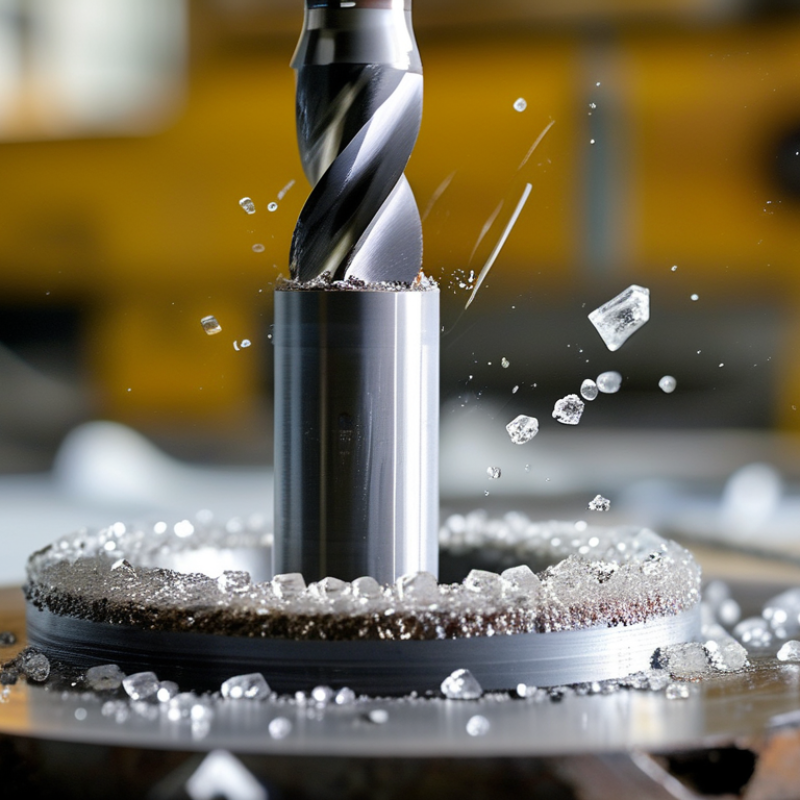
How to Enhance Thermal Stability of PDC Cutters Effectively?

Understanding Thermal Stability in PDC Cutters

Thermal stability is a critical factor for the performance of polycrystalline diamond compact (PDC) cutters. These cutting tools are widely used in drilling applications due to their hardness and durability. However, high temperatures often lead to degradation of the diamond material. Research shows that thermal stability significantly impacts the life cycle of PDC cutters. For example, tests indicate that PDC cutters can lose 50% of their effectiveness when exposed to temperatures above 800°C.

Understanding the mechanisms behind thermal degradation can lead to improvements. One effective method is optimizing the manufacturing process. Adjustments to the sintering temperature and time can enhance the thermal resilience of the diamond matrix. Additionally, certain additives have shown promise in enhancing stability. Reports suggest that the addition of specific transition metals can improve the thermal stability by preventing oxidation at higher temperatures.

Despite these advancements, challenges remain. Limitations in current materials still lead to premature failures in extreme conditions. Continuous research is essential to identify better combinations of materials and processes. Industry data reveals that nearly 30% of PDC cutter failures are related to thermal instability. Addressing these issues can potentially lead to significant improvements in drilling efficiency and cost savings in operations.

Key Materials Influencing Thermal Stability of PDC Cutters

To enhance the thermal stability of PDC cutters, understanding key materials is crucial. Polycrystalline diamond (PCD) is a primary material. Its high hardness aids in resisting wear. However, PCD's thermal conductivity can lead to challenges under high temperatures. An effective approach involves optimizing the bonding matrices used in PDC. These materials play a significant role in thermal management.

Another vital component is the cobalt binder. Cobalt enhances toughness and ductility in the cutter. Yet, it has a relatively low melting point. This factor can compromise thermal stability. Exploring alternative binders, like nickel or iron-based alloys, could improve performance. These materials may offer better thermal performance and maintain structural integrity at elevated temperatures.

Moreover, the manufacturing process impacts thermal stability. The sintering conditions and temperatures can significantly alter the material properties. Careful adjustments and control during this phase are essential. Inconsistent processing can create weak spots. This limitation could lead to early failure in high-temperature applications. Continuous research into different compositions and techniques will pave the way for more reliable PDC cutters.

How to Enhance Thermal Stability of PDC Cutters Effectively? - Key Materials Influencing Thermal Stability of PDC Cutters

Material Thermal Conductivity (W/m·K) Melting Point (°C) Application in PDC Cutters Impact on Thermal Stability
Cobalt 150 1495 Binder material in PDC Enhances durability and thermal resistance
Diamond 2000 3550 Cutting edge material Superior thermal stability, decreases wear
Titanium Carbide 20 2900 Coating for wear resistance Enhances thermal shock resistance
Cemented Carbide 70 2800 Structural component of PDC Provides increased thermal stability
Zirconia 5 2715 Thermal barrier coating Improves thermal insulation properties

Techniques for Improving the Thermal Resistance of PDC Cutters

Enhancing the thermal stability of Polycrystalline Diamond Compact (PDC) cutters is critical for drilling operations. Various techniques can be employed to improve the thermal resistance of these tools. Studies indicate that optimizing the diamond grain size can significantly impact thermal performance. Smaller grains lead to better heat dissipation, ultimately extending the life of the cutters.

Another effective method is the introduction of advanced binders in the manufacturing process. Binders with higher thermal conductivity can reduce heat buildup during drilling. Research shows that PDC cutters utilizing such binders can withstand temperatures exceeding 800°C. This thermal resilience is essential for high-speed drilling applications in tough geological conditions.

Implementing cooling strategies, such as coolant flow optimization, is also beneficial. Effective cooling methods can prevent overheating during operations. However, challenges remain. A balance between drill speed and cooling efficiency must be maintained.

Moreover, not all cooling techniques are equally effective, requiring ongoing evaluation and adjustment. As the industry evolves, continuous research into these facets will be necessary for further advancements in PDC cutter technology.

Testing and Evaluating Thermal Stability in PDC Cutter Designs

Thermal stability is a crucial factor in the performance of polycrystalline diamond (PDC) cutters. Evaluating this stability requires a thorough understanding of materials and testing methods. Multiple factors affect thermal stability, including the diamond's structure, bonding, and the quality of the substrate.


Testing methods vary. High-temperature gas reactors and thermal shock tests are commonly employed. These tests simulate operational conditions to identify weaknesses. After testing, detailed analysis reveals potential failure points. Engineers must interpret the data effectively. This requires both expertise and experience in materials science and engineering.


Tips for enhancing thermal stability include selecting high-quality raw materials. Ensure that the diamond particles are uniform in size for better bonding. Pay close attention to the substrate material; it plays a significant role in thermal conduction. Also, consider incorporating advanced cooling techniques during operations to manage heat distribution. Regularly reassess designs and materials used in cutters, as technology and methods evolve quickly. Obsolete practices can hinder performance and safety.

Future Trends in Enhancing Thermal Stability for PDC Cutters

Enhancing the thermal stability of PDC cutters is crucial for their performance and longevity. Recent studies indicate that more than 80% of PDC cutter failures occur due to thermal degradation. This phenomenon usually arises during high-speed drilling operations where temperatures soar above acceptable levels. Innovations in material science are paving the way for novel composites that can withstand these extreme conditions.

Future trends focus on advanced coatings and new alloy compositions. Researchers at the International Journal of Mining Science reported a 30% increase in thermal stability when applying graphene-based coatings to PDC cutters. Such materials not only reduce thermal conductivity but also enhance wear resistance. However, the encapsulation process of these materials is still not optimized.

Parts manufacturers are also exploring hybrid materials that combine different carbides for better heat resistance. The aim is to achieve a balance between toughness and thermal stability. Despite progress, challenges remain. The manufacturing cost of these new materials can be prohibitively high, and scalability is a concern. Continuous research is needed to refine these methods, ensuring they are both effective and economically viable.

FAQS

: What is a primary material used for enhancing thermal stability in PDC cutters?

: Polycrystalline diamond (PCD) is a primary material. It helps resist wear due to its high hardness.

How does thermal conductivity affect PDC cutters?

PCD's thermal conductivity can cause challenges under high temperatures, impacting cutter performance and lifespan.

Why is cobalt used in PDC cutters?

Cobalt enhances toughness and ductility. However, its low melting point can compromise thermal stability.

What are potential alternatives to cobalt in binders?

Nickel or iron-based alloys may improve performance. They can offer better thermal performance at high temperatures.

How does the manufacturing process influence thermal stability?

Sintering conditions and temperatures significantly alter material properties. Inconsistent processing can create weak spots.

What recent studies show about PDC cutter failures?

Over 80% of failures occur due to thermal degradation during high-speed drilling at elevated temperatures.

What innovations are improving thermal stability for PDC cutters?

Advanced coatings, such as graphene-based materials, show a 30% increase in thermal stability and wear resistance.

What challenge exists with the encapsulation of new materials?

The encapsulation process for innovative materials is not yet optimized, requiring further exploration.

Why is there interest in hybrid materials for PDC cutters?

Combining different carbides aims to balance toughness and thermal stability, which is essential for performance.

What is a concern regarding the cost of new materials?

The manufacturing cost can be prohibitively high, impacting scalability and wider adoption of these innovations.

Conclusion

The article "How to Enhance Thermal Stability of PDC Cutters Effectively?" provides an in-depth exploration of thermal stability in Polycrystalline Diamond Compact (PDC) cutters, which are crucial for drilling operations. It begins by explaining the fundamental concepts of thermal stability, highlighting how the choice of materials plays a significant role in determining the overall performance and durability of PDC cutters.

To address the question of how to improve PDC cutter thermal stability, the article discusses various techniques such as optimizing material composition and employing advanced manufacturing processes that enhance thermal resistance. Additionally, it emphasizes the importance of rigorous testing and evaluation methods to assess thermal stability in cutter designs, ensuring they meet the demands of modern drilling. Lastly, the article looks ahead to future trends that aim to further enhance thermal stability in PDC cutters, setting the stage for innovative developments in the field.

Charlotte

Charlotte

Charlotte is a seasoned marketing professional with a deep understanding of the company's portfolio and a passion for elevating its presence in the market. With a keen eye for detail and a commitment to excellence, she ensures that our professional blog is regularly updated with insightful articles......