Cleaning a PDC bit after use is critical for its longevity and effectiveness. Over time, debris and residues can accumulate on the bit, affecting its performance during drilling operations. Knowing how to clean a PDC bit after use can make a significant difference in both efficiency and cost-effectiveness. Proper cleaning methods help maintain the integrity of the bit, ensuring it performs optimally in future applications.
While the cleaning process may seem straightforward, it's easy to overlook certain details. Many operators may rush through this crucial step, leading to potential issues down the line. For instance, neglecting specific areas might result in premature wear. Understanding the intricacies of the cleaning procedure can ensure that each bit remains in peak condition for as long as possible. A thorough approach can prevent the buildup of harmful materials that could hinder performance.
In the following sections, we will delve into effective techniques and best practices for cleaning a PDC bit. By focusing on these aspects, you will gain valuable insights into maintaining your drilling equipment. Taking the time to do it right can save resources and improve productivity on the job site. Remember, a clean bit is not just a matter of aesthetics; it's essential for operational success.
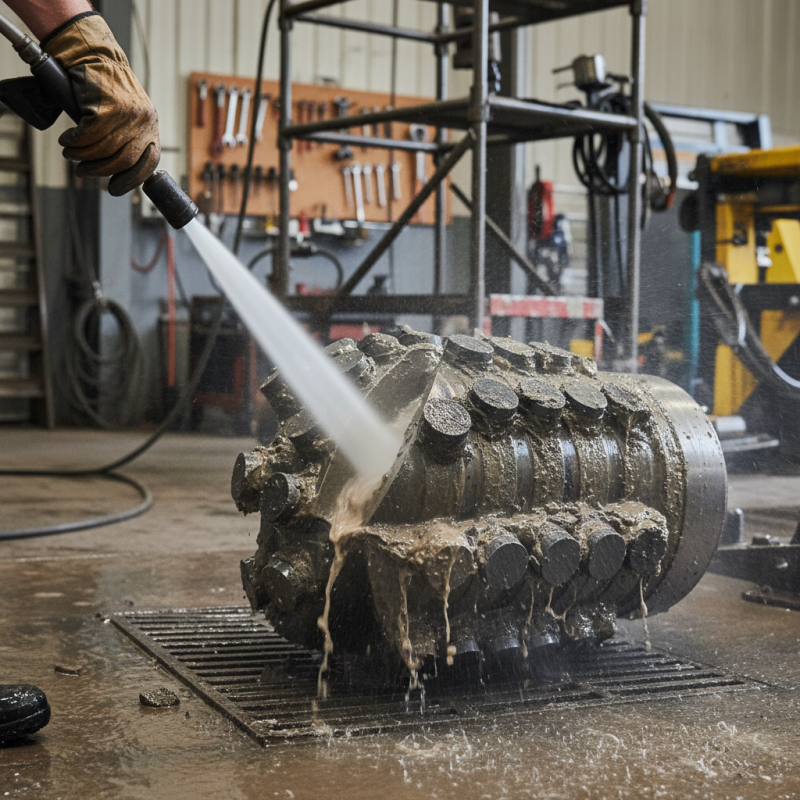
PDC bits, or Polycrystalline Diamond Compact bits, feature a unique structure that enhances their cutting performance. They consist of a matrix body and a layer of synthetic diamond particles bonded together. This design allows PDC bits to cut through tough rock formations more effectively than traditional bits. The diamond layer is crucial as it provides durability and resistance to wear. Understanding this structure helps in recognizing how to maintain and clean these tools after use.
Cleaning PDC bits is essential for longevity and optimal performance. After drilling, bits can accumulate debris and mud. This buildup can affect functionality. A thorough cleaning process involves using water and mild detergents to remove dirt. High-pressure air blowers are useful for dislodging stubborn particles. However, users often overlook tiny crevices in the bit. These may trap debris, impacting future drilling efficiency.
Regular inspections help identify wear and tear, ensuring that bits are not used beyond their effective lifespan. It’s crucial to prioritize this maintenance. Neglect can lead to costly downtime and reduced performance.
Pre-cleaning preparations are crucial for maintaining the performance and longevity of PDC bits. Before diving into the cleaning process, ensure you have the right tools and safety gear. Protective gloves and goggles are essential to prevent injuries during maintenance. Additionally, gather a soft brush, a cleaning solvent, and a pressure washer. Checking the bit for visible damage is also important. A thorough inspection can reveal wear patterns that may require attention.
An industry report from the Society of Petroleum Engineers highlights that proper maintenance can extend the life of a PDC bit by up to 30%. It shows that meticulous pre-cleaning steps can significantly enhance drilling efficiency. Remove debris from the bit’s surface carefully using a soft brush. This removes loose particles that could interfere with the cleaning process. It’s vital to inspect the diamond cutters during this stage, as any dullness can lead to reduced drilling performance.
After brushing away the debris, apply a suitable cleaning solvent. Allow it to sit for a few minutes before rinsing with a pressure washer. This helps break down hardened mud and other contaminants effectively. Observing the results may reveal areas that need extra attention. Cleaning may not always yield perfect results at first. Regular practices and techniques need ongoing reflection and adjustments to improve outcomes.
Cleaning a PDC (Polycrystalline Diamond Compact) bit is essential for maintaining its performance and longevity. Effective cleaning prevents debris build-up, which can impair cutting efficiency. The procedure can be meticulous, but proper techniques ensure your bit remains in peak condition.
Start by carefully rinsing the bit with water to remove loose dirt and mud. Use a soft brush to scrub the surface gently. Pay special attention to the diamond cutters and cooling holes. According to a study by the Society of Petroleum Engineers, nearly 30% of PDC bits fail due to inadequate maintenance. This underscores the importance of thorough cleaning.
After rinsing, soak the bit in a mild detergent solution. Allow it to sit for 10-15 minutes. This process helps dissolve stubborn residues. Rinse with clean water, then air dry. Inspect the bit closely. Look for signs of wear, such as chipped diamonds or clogged cooling channels. Regular reflection on your cleaning methods can yield insights. Adjustments might be necessary for more effective cleaning in the future.
| Step | Description | Duration (minutes) | Tools Required |
|---|---|---|---|
| 1 | Remove the bit from the drill. | 5 | Wrench |
| 2 | Rinse off loose debris and mud using water. | 10 | Hose or pressure washer |
| 3 | Apply a mild detergent to the bit. | 5 | Brush, detergent |
| 4 | Scrub the bit thoroughly to remove residue. | 15 | Hard-bristle brush |
| 5 | Rinse with clean water to remove detergent. | 5 | Hose |
| 6 | Inspect for any damage or wear. | 5 | Safety goggles |
| 7 | Dry the bit completely before storage. | 10 | Cloth or air dryer |
After using a PDC bit, proper drying and inspection are crucial. Make sure to remove all residual drilling fluid and debris. Rinse the bit with clean water to eliminate any dirt. A thorough rinse will help in assessing its condition accurately.
Dry the PDC bit in a clean environment. Avoid direct sunlight as it may cause uneven drying. Instead, place it in a shaded area or use air drying techniques to ensure it remains in optimal shape. Pay attention to the drying process, as moisture can lead to corrosion.
During inspection, look for any signs of wear or damage. Examine the cutting edges closely; they should be uniformly sharp. If any chipping or dullness is noticeable, it may indicate that replacement is needed. Tip: Use a magnifying glass for a detailed inspection. Keeping a record of the bit’s condition after each use can aid in making informed decisions later. Regularly checking and properly maintaining your PDC bits can enhance their lifespan and performance.
Proper storage techniques for PDC bits after cleaning are crucial for ensuring their longevity and maintaining performance. Studies show that proper maintenance can extend the life of PDC bits by up to 30%. After cleaning, the bits should be thoroughly dried to prevent moisture-induced corrosion. Aim for a humidity level below 50% in storage areas. This ensures that the cutting elements remain intact and free from rust, which can lead to significant performance degradation.
It is important to use protective covers during storage. These covers not only shield the bits from dust but also from physical damage. Experts advise using bubble wrap or foam padding to prevent scratches and impacts. Additionally, storing bits vertically rather than horizontally minimizes contact points, reducing the risk of wear. Regular inspections are critical. Bit conditions should be checked every few months, as even a hidden flaw can hamper drilling efficiency. Remember, if bits are not stored properly, the initial investment may be wasted, leading to costly replacements.
: Essential tools include protective gloves, goggles, a soft brush, cleaning solvent, and a pressure washer.
Proper pre-cleaning can extend a PDC bit's life by up to 30% and enhance drilling efficiency.
Inspect the bit for visible damage and clean loose debris with a soft brush.
Dry the bit in a shaded area, avoiding direct sunlight to ensure even drying and prevent corrosion.
Check for wear signs, especially sharpness of cutting edges. Replace if dull or chipped.
It prevents moisture-induced corrosion and maintains performance, ensuring a longer lifespan for the bits.
Store bits vertically and use protective covers to reduce physical damage and wear.
Aim for a humidity level below 50% to prevent rust and degradation of cutting elements.
Regular inspections every few months help identify hidden flaws that could affect drilling efficiency.
Improper storage can lead to damage and costly replacements, wasting your initial investment.
In addressing the question of "How to clean a PDC bit after use?", it's important to first understand the structure and function of PDC (Polycrystalline Diamond Compact) bits, which are essential tools in drilling operations. Before initiating the cleaning process, appropriate pre-cleaning preparations should be made, including clearing any debris and ensuring safety measures are in place.
The cleaning procedure involves several key steps: utilizing the right cleaning agents and techniques to remove dirt and contaminants effectively. After cleaning, the PDC bit must be dried thoroughly to prevent moisture-related issues and then inspected for any damage or wear. Finally, adopting proper storage techniques post-cleaning is crucial to maintain the integrity and longevity of the PDC bits. By following these methods, one can ensure that PDC bits are well-maintained and ready for their next use.

Elliott Cutters