Choosing the right PDC (Polycrystalline Diamond Compact) cutters is crucial for drilling operations. Each rock formation presents unique challenges that impact cutter performance. Experts emphasize careful selection based on both rock type and drilling conditions. John Smith, a leading drilling engineer, states, "Understanding the rock’s characteristics is key to selecting effective PDC cutters."
Different rock formations, such as sandstone, shale, and granite, require specific cutter designs. Sandstone is softer, often needing cutters with sharper edges. In contrast, granite is much harder and demands more durable cutting structures. These choices can significantly affect drilling efficiency and costs.
The selection process may seem straightforward, but it is often complex. Misjudgments can lead to increased wear and tear on equipment. As Smith warns, "It's essential to match the cutter to the rock, or you risk wasting time and resources." Evaluating formations fully is essential for success in the field.
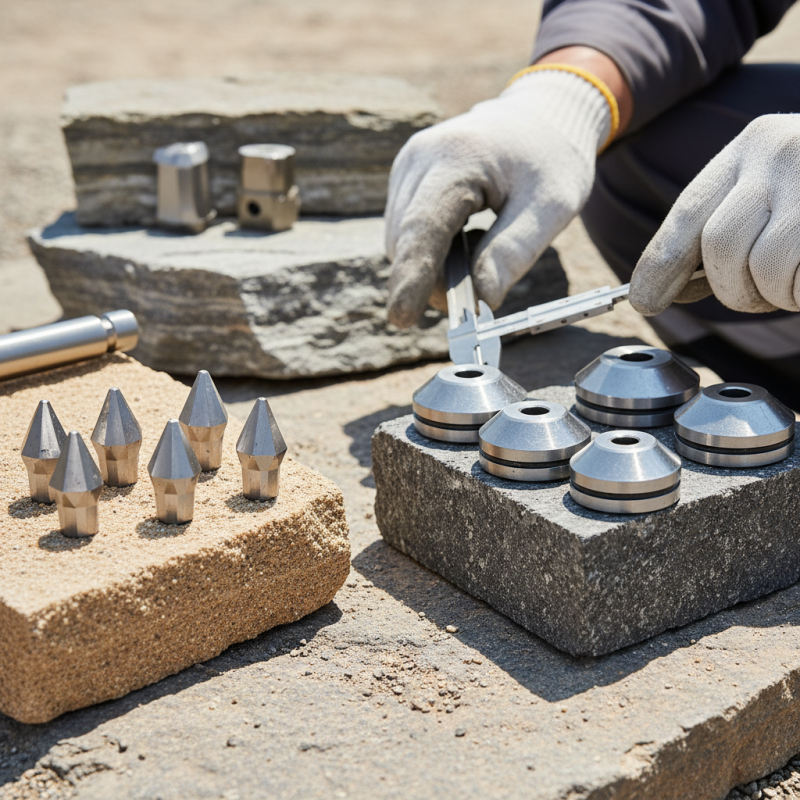
PDC cutters, or polycrystalline diamond compact cutters, play a crucial role in drilling operations. Understanding their functionality is vital for selecting the right type for specific rock formations. These cutters are designed to withstand high pressures and temperatures. Their unique composition provides excellent wear resistance, making them suitable for various geological conditions.
When choosing PDC cutters, consider the type of rock you'll encounter. For soft formations, standard cutters work well. In contrast, harder rocks require advanced designs that incorporate larger diamond segments. This selection process isn't always straightforward. Sometimes, trial and error is necessary to find the perfect fit.
**Tip:** Always assess the drill bit’s performance after use. Analyzing wear patterns can provide insights for future selections.
**Tip:** Collaborate with experienced geologists or drilling engineers. Their expertise can guide you in making informed decisions.
Ideally, each choice reflects specific needs and future strategies. The wrong cutter can lead to inefficiencies and increased costs, which can be frustrating. Taking the time to understand various PDC cutters ensures better outcomes in the long run.
When choosing PDC cutters, understanding rock formations is crucial. Different types of rock have unique characteristics that affect drilling efficiency. For example, sedimentary rocks like sandstone can be soft and abrasive. This requires cutters with specific designs to maintain longevity. A recent report from the Society of Petroleum Engineers indicates that wear rates can vary from 1 to 10 mm/hour based on rock type.
Igneous rocks, such as granite, pose a different challenge. They are significantly harder and can quickly degrade standard cutters. Research highlights that using specialized diamond configurations improves performance by over 30% in such formations. Additionally, metamorphic rocks exhibit varying hardness, influenced by their mineral composition. The right choice in cutters can make a 20-50% difference in penetration rates.
Understanding these characteristics leads to better cutter selection. However, the nuances of rock formation often lead to mistakes. Many operators overlook these details, resulting in increased costs and downtime. Relying solely on experience without data can be limiting. Data-driven decisions usually yield better results, but operators must remain adaptable. They should refine their strategies as they encounter diverse geological conditions.
When selecting PDC cutters, understanding rock hardness is crucial. Different rock formations require specific cutter types. Harder rocks like granite or basalt demand robust PDC cutters to withstand wear. These materials may require cutters with larger diamond sizes. This ensures better penetration and longer life cycles.
Soft rocks, such as limestone or sandstone, can use standard cutters. PDC cutters with a smaller diamond volume work effectively here. This reduces unnecessary wear while optimizing drilling efficiency. Recognizing how rock types interact with cutter materials is vital.
Choosing the right PDC cutter is not always straightforward. Factors like rock structure and drilling conditions can complicate decisions. It's essential to conduct tests when unsure. Reviewing insufficient performance can reveal the need for adjustments in cutter selection or design. This iterative process builds a deeper understanding of both cutter capabilities and rock behavior.
When selecting PDC cutters, understanding cutter geometry is crucial for optimizing performance. Various rock formations present unique challenges. A report by the Society of Petroleum Engineers highlighted that improper cutter geometry can reduce drilling efficiency by up to 30%. This underscores the importance of tailoring cutter shapes to specific rock types.
Different formations require varying geometrical considerations. For instance, softer formations benefit from a sharper cutter angle to enhance penetration. On the other hand, harder rocks often require a more blunt angle to sustain durability. According to industry data, a balanced geometry can lead to a 25% increase in bit lifespan. However, some designs may produce suboptimal results in mixed formations, revealing a gap in current understanding.
It’s vital to consider wear patterns and failure modes. Some cutters exhibit uneven wear, which can impede performance. A study indicated that nearly 15% of cutters used in field trials showed premature wear. This suggests a need for continuous evaluation of cutter designs. Ultimately, drilling engineers must adapt and experiment with cutter geometries to address the complexities of rock formations effectively.
Maintaining and replacing PDC cutters is critical for optimal drilling performance. Regular inspections can identify wear and damage early. Pay attention to chipped edges or signs of overheating. These issues can lead to costly downtime and reduced efficiency. Keeping a log of cutter usage helps track performance over time.
When replacing PDC cutters, consider the rock formation being drilled. Different formations may require specific cutter designs. For example, harder formations may need cutters with a tougher diamond matrix. It’s essential to select the right type to avoid premature wear. Remember, a mismatch can result in more frequent replacements, increasing overall costs.
Establish a routine for cutter maintenance. Clean cutters thoroughly after each use. Look for unique wear patterns that can inform future cutting strategies. Analyzing these patterns boosts performance awareness. Ensure proper storage to prevent damage. This attention to detail can extend cutter life and improve drilling reliability.
: Rock hardness determines the type of PDC cutter needed for effective drilling. Harder rocks need robust cutters.
Cutters for hard rocks often have larger diamond sizes. This enhances penetration and extends cutter lifespan.
Standard cutters with smaller diamond volumes work best for soft rocks. This approach minimizes wear and maximizes efficiency.
Cutter geometry directly affects drilling performance. Incorrect geometry can reduce efficiency by up to 30%.
Softer formations benefit from sharper cutter angles. This enhances penetration and improves drilling performance.
Regular inspections should check for chipped edges and overheating. Tracking cutter usage also helps identify wear patterns.
Using mismatched cutters can lead to premature wear and increased replacement costs. This makes selecting the right cutter vital.
Thorough cleaning and proper storage are key to extending cutter life. Monitoring wear patterns also informs future strategies.
Uneven wear can hinder cutter performance. Studies show that 15% of cutters may experience premature wear in the field.
Continuous evaluation and experimentation with geometries can help address the challenges posed by various rock formations. This is essential for optimal results.
Choosing the right Polycrystalline Diamond Compact (PDC) cutters for varied rock formations is crucial for optimizing drilling efficiency. To answer the question, "How to choose PDC cutters for different rock formations?" one must first understand the functionality and characteristics of these cutters and the specific rock formations they will encounter.
Rock formations differ significantly in hardness, structure, and abrasiveness, which must all be considered when selecting PDC cutters. Evaluating the geometry of the cutters, such as their shape and spacing, plays a vital role in achieving optimal drilling performance. Additionally, maintaining and replacing PDC cutters regularly ensures sustained effectiveness and longevity in drilling operations. By systematically addressing these factors, one can ensure a successful drilling approach tailored to varying geological conditions.

Elliott Cutters