How to Choose the Best Back Rake Angle for PDC Bits?

Time:2026-07-06 Author:Isabella
0%

Choosing the right back rake angle for PDC (Polycrystalline Diamond Compact) bits is crucial in drilling operations. The back rake angle influences the cutting efficiency and tool life. Understanding how to select the right back rake angle for PDC involves several factors.

Different rock formations require various cutting techniques. A steeper back rake angle may reduce friction but can also increase wear on the bit. On the other hand, a shallower angle might improve stability but could lead to inefficiencies. It can be a fine balance, and drilling engineers often find themselves reflecting on their choices after each project.

Assessing previous drilling performances can provide valuable insights. Learning from past experiences can shape future decisions. One should not overlook the importance of adjusting the rake angle based on specific conditions. The right angle is not one-size-fits-all. Each drilling scenario demands a tailored approach to maximize effectiveness and minimize costs.
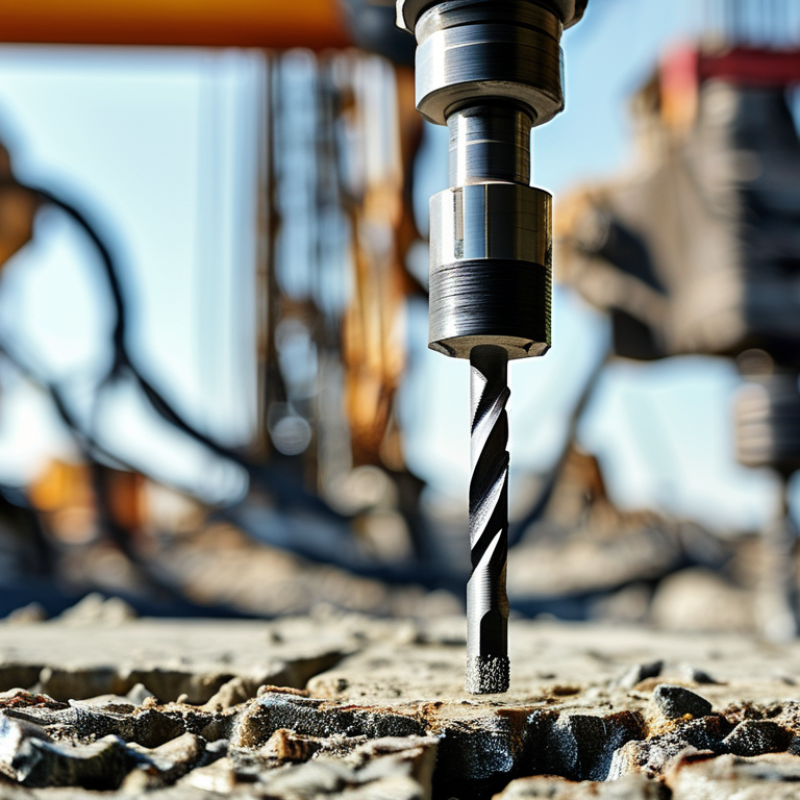
How to Choose the Best Back Rake Angle for PDC Bits?

Understanding PDC Bits and Their Performance Metrics

PDC bits, or polycrystalline diamond compact bits, play a crucial role in drilling operations. Understanding their performance metrics is essential for optimal results. These bits are designed to cut through hard rock formations, making them ideal for drilling in various geological conditions. Their efficiency largely depends on their shape and rake angle, which influences how they interact with the material being drilled.

The rake angle affects cutting performance and bit lifespan. A positive rake angle enhances cutting efficiency but can lead to quicker wear. Conversely, a negative rake angle provides better stability but may reduce penetration rates. Choosing the right angle requires careful consideration of the formation type and drilling objectives.

Many practitioners overlook the impact of wear patterns on bit performance. Regularly reviewing how bits wear can provide insights into optimal rake angles. It's not uncommon to find inconsistencies in results, prompting further investigation. By refining your choices based on real-world feedback, you can make more informed decisions. Understanding these factors ensures that your drilling operations are both effective and economical.

How to Choose the Best Back Rake Angle for PDC Bits

The Importance of Back Rake Angle in Drilling Operations

The back rake angle plays a pivotal role in drilling operations. It directly affects the efficiency and effectiveness of PDC bits. A well-optimized back rake angle improves cutting action. Studies show that values between 10° and 20° yield optimal performance in various rock types. A steeper angle can lead to increased friction and reduced penetration rates.

In practical scenarios, achieving the right back rake angle often requires adjustments based on the formation being drilled. For instance, in harder formations, a slightly larger back rake angle may help maintain stability. Conversely, in softer formations, a lower angle may enhance overall bit life. It highlights the necessity of continuous monitoring during drilling. Data indicates that an improper angle can lead to as much as a 30% reduction in penetration rate, which can severely impact project timelines.

Operators often grapple with fine-tuning these angles. The ramifications of miscalibrated angles can result in excessive wear or catastrophic bit failure. Reevaluation of the angle after initial drilling phases is vital for sustained productivity. Adjustments should not be overlooked, as they can lead to improved drilling performance over time. The decision on back rake angles should be evidence-based, referencing past drilling data and drilling objectives.

How to Choose the Best Back Rake Angle for PDC Bits? - The Importance of Back Rake Angle in Drilling Operations

PDC Bit Type Back Rake Angle (degrees) Application Performance Metrics
Standard PDC Bit 10° General Drilling Rate of Penetration: 25 ft/hr
High-Angle PDC Bit 15° Steep Incline Drilling Rate of Penetration: 30 ft/hr
Soft Rock PDC Bit Soft Formation Rate of Penetration: 40 ft/hr
Hard Rock PDC Bit 20° Hard Formation Rate of Penetration: 20 ft/hr
Extended Reach PDC Bit 12° Extended Reach Drilling Rate of Penetration: 28 ft/hr

Factors to Consider When Selecting Back Rake Angle

Choosing the right back rake angle for PDC bits is crucial. This decision impacts drilling efficiency and bit life. One critical factor is the formation being drilled. Hard formations might require a steeper back rake angle. However, this can lead to greater wear. Conversely, a lower angle can reduce penetration rate.

Research indicates that a standard back rake angle of 15° works well for medium formations. For softer rock, a 5° angle may improve bit performance. A study by the Society of Petroleum Engineers highlighted that an inappropriate angle could decrease penetration rates by as much as 25%. Understanding the geological makeup is essential.

Another consideration is the weight on bit (WOB). Heavier weights can perform better with steeper angles. Yet, this could lead to excessive heat and bit damage. A balanced approach is necessary. Monitoring the bit’s performance over time can provide insights. It helps refine the angle used. Each drilling operation is unique, and adjustments may be needed. Continuous assessment is key to achieving optimal results.

Common Back Rake Angle Configurations for PDC Bits

When selecting the best back rake angle for PDC bits, several common configurations come into play. Typically, back rake angles range from 0 to 15 degrees. A 0-degree back rake is often used for softer formations. This angle allows for optimal cutting efficiency. However, it might not perform well in harder rock formations.

On the other hand, configurations with a 5 to 10-degree back rake angle offer flexibility. These angles provide a balance between penetration and stability. They can enhance hole cleaning and reduce torque in various applications. For extremely hard formations, a greater angle might seem tempting. However, this can lead to increased wear on the bit structure and inefficient performance over time.

Experimenting with different configurations can lead to better results. Each formation type requires a tailored approach. Engineers often find they need to adjust the back rake depending on real-time performance data. It's crucial to assess bit wear and penetration rates continually. Finding the ideal angle can be a trial-and-error process, but it is central to maximizing drilling efficiency.

Testing and Adjusting Back Rake Angles for Optimal Results

Selecting the back rake angle for PDC bits is critical for efficient drilling. The right angle can enhance performance and extend bit life. Testing and adjusting this angle requires careful attention to detail. Factors like rock formation and drilling parameters play a significant role. Adjustments should cater to the specific conditions faced during drilling.

When testing back rake angles, start with a baseline. Measure how different angles affect penetration rates and bit wear. Analyze results to identify trends. Small changes can yield significant differences in efficiency. Don't hesitate to experiment, even if the initial results aren’t ideal. Document each adjustment. This will help you refine your approach over time.

Tips for adjusting back rake angles include observing the cuttings' shape and size. A consistent formation might warrant a steeper angle. Conversely, softer formations might benefit from a shallower angle. Watch for signs of excessive wear. They often signal that adjustments are needed. Understanding the interplay between the angle and formation is essential. Your drilling efficiency depends on it.

FAQS

: What are PDC bits used for?

: PDC bits are essential for drilling in hard rock formations. They perform well under various geological conditions.

How does the rake angle influence performance?

The rake angle affects cutting efficiency and bit lifespan. A positive rake enhances cutting but can cause faster wear.

What happens with a negative rake angle?

A negative rake angle provides better stability. However, it may reduce penetration rates in some materials.

What configurations are common for back rake angles?

Common back rake angles range from 0 to 15 degrees. Each configuration suits different formation types.

When is a 0-degree back rake angle used?

A 0-degree angle is ideal for softer formations. It maximizes cutting efficiency.

Why might a 5 to 10-degree back rake angle be preferred?

These angles balance penetration and stability. They also improve hole cleaning and reduce torque during drilling.

What risk comes with a high back rake angle?

Greater angles can lead to increased wear and inefficient performance over time in hard formations.

How can wear patterns affect drilling performance?

Regularly reviewing wear patterns can improve rake angle choices. This can lead to more effective drilling operations.

Is adjusting back rake angles a common practice?

Yes, engineers often adjust angles based on performance data. It's part of optimizing drilling efficiency.

Can finding the ideal rake angle be challenging?

Yes, it often requires trial and error. This reflection can lead to better and more efficient drilling.

Conclusion

The article titled "How to Choose the Best Back Rake Angle for PDC Bits?" provides an in-depth exploration of the pivotal role that the back rake angle plays in the performance of Polycrystalline Diamond Compact (PDC) bits in drilling operations. It begins by elucidating the characteristics and performance metrics of PDC bits, establishing a foundation for understanding how various factors influence drilling efficiency and effectiveness.

One of the key sections addresses the question of how to select the right back rake angle for PDC, emphasizing the significance of this angle in optimizing cutting dynamics. Several factors, such as the type of formation being drilled and specific operational conditions, are discussed to guide users in making informed decisions. The article also outlines common configurations of back rake angles and concludes with methodologies for testing and adjusting these angles to achieve optimal results in various drilling environments.

Isabella

Isabella

Isabella is a dedicated marketing professional with a sharp focus on driving brand growth and engagement through strategic content creation. With an extensive background in digital marketing, she combines her passion for storytelling with her keen understanding of industry trends to deliver......