Choosing the right drilling tool is crucial in the oil and gas industry. The two most common materials used are PDC (Polycrystalline Diamond Compact) and tungsten carbide. Both options have distinct advantages. However, what is the difference between PDC and tungsten carbide?
According to the International Association of Drilling Contractors, PDC bits are known for their durability and efficiency. They can penetrate hard rock formations more rapidly than tungsten carbide. However, PDC bits are more expensive and vulnerable to damage in abrasive environments. On the other hand, tungsten carbide bits are more cost-effective and resistant, making them suitable for softer formations.
When selecting a drilling tool, consider factors such as geological conditions and cost constraints. Evaluating specific project needs will guide the choice between PDC and tungsten carbide. Balancing performance, longevity, and expense is essential. Each option presents unique challenges that require careful thought. Understanding these differences ensures optimal drilling performance and cost management.
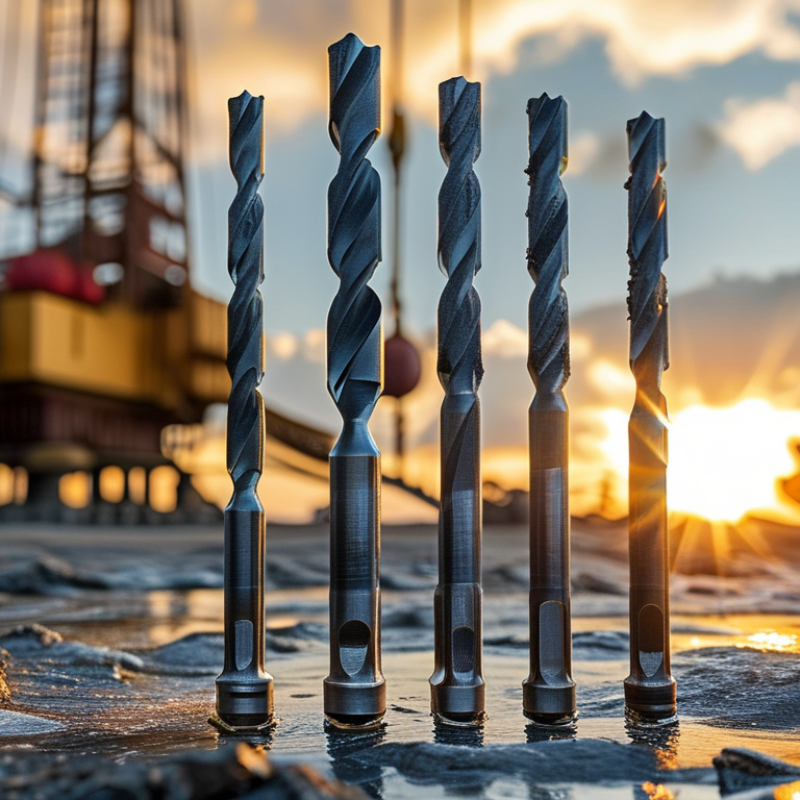
Understanding PDC and Tungsten Carbide: An Overview
When selecting between PDC (Polycrystalline Diamond Compact) and tungsten carbide, understanding their properties is crucial. PDC relies on diamond crystals and offers superior hardness and wear resistance. Reports indicate a significant increase in PDC usage in drilling applications, exceeding 60% of the market share. This shift is often due to PDC’s efficiency in penetrating hard rock formations.
In contrast, tungsten carbide is renowned for its toughness and impact resistance. Its applications remain prevalent, especially in environments where durability is essential.
Tips: Consider your specific application needs. PDC is ideal when drilling speed and efficiency are priorities. Tungsten carbide may be better for projects demanding resilience against heavy impacts.
Both materials have their limitations. PDC can be costly and may not perform well in soft rock. On the other hand, tungsten carbide is heavier and may slow down drilling operations. A careful analysis of the geological conditions is always advisable. Data suggests that drilling operations can increase efficiency by 15% when the right material is selected based on environmental factors. Always weigh the trade-offs before making a decision. Understanding the nuances between these materials can lead to better project outcomes.
Key Differences Between PDC and Tungsten Carbide
When deciding between Polycrystalline Diamond Compact (PDC) and Tungsten Carbide, understanding their key differences is crucial. PDC tools are known for their hardness, often rated over 10 on the Mohs scale. This exceptional hardness allows them to outperform Tungsten Carbide in drilling applications. According to a recent industry report, PDC drill bits can increase penetration rates by 30% compared to Tungsten Carbide at optimal conditions.
On the other hand, Tungsten Carbide is appreciated for its toughness. This material is less brittle than PDC, making it resistant to damage in varied geological formations. Research indicates that Tungsten Carbide bits can maintain integrity in softer, more abrasive environments. In applications where durability is prioritized, Tungsten Carbide can sometimes be the better choice. Its performance does come with trade-offs, especially in terms of cost and efficiency.
Ultimately, choosing between PDC and Tungsten Carbide depends on the specific drilling conditions. An operator must evaluate rock types and formation stability. Knowing the operational limits of each material can lead to better decision-making. Such considerations often require a nuanced approach, pointing towards the significance of testing in the field.
Applications of PDC vs. Tungsten Carbide in Industry
PDC (Polycrystalline Diamond Compact) and tungsten carbide are two popular materials in industrial applications, particularly in drilling and cutting tools.
PDC is renowned for its superior hardness and abrasion resistance. It excels in applications that require drilling through tough rock formations. Many companies prefer PDC for oil and gas drilling. The diamond structure allows for faster drilling speeds and longer tool life.
On the other hand, tungsten carbide finds its niche in applications focused on wear resistance. It is frequently used in mining, construction, and manufacturing processes.
Tungsten carbide tools are tough and can withstand high-impact stress. They are ideal for shaping, turning, and milling operations. In many instances, their performance rivals that of PDC, though with a different application focus.
However, both materials have limitations. PDC tools are brittle and can fracture under extreme conditions. Tungsten carbide, while strong, may not perform well in high-temperature environments. Industries must evaluate operational conditions to select the right material.
This thoughtful analysis is crucial for optimizing performance and minimizing downtime. An informed choice remains essential for efficiency and productivity.
Factors to Consider When Choosing Between PDC and Tungsten Carbide
When deciding between PDC and tungsten carbide, several factors should be considered. One key aspect is the nature of the project. PDC, known for its durability, is ideal for hard rock formations. It excels in drilling operations requiring high penetration rates. On the other hand, tungsten carbide offers exceptional toughness. It performs well in softer, abrasive materials. Knowing the formation type helps in making an informed decision.
Cost is another important factor. PDC bits are usually more expensive upfront. However, their longer life can lead to lower overall costs in the long run. Tungsten carbide bits tend to have lower initial costs but may wear out quicker. This difference can impact budgets significantly. Personal experience also plays a vital role. Some operators prefer one over the other based on past performance.
Longevity and performance are critical. PDC bits can achieve impressive mileage in optimal conditions. However, they might not perform well in certain scenarios. Tungsten carbide bits can be reliable but may require more frequent replacements. Evaluating the specific needs of your drilling application is essential. Don't rush the decision. Each project presents unique challenges that require careful consideration.
Comparison of PDC vs Tungsten Carbide Based on Key Factors
This bar chart compares PDC and Tungsten Carbide across five important factors: Cost, Durability, Heat Resistance, Application Versatility, and Cutting Efficiency. The ratings range from 1 to 10, indicating their performance in each category.
Cost Analysis: PDC vs. Tungsten Carbide for Your Project
When considering cost analysis for PDC and tungsten carbide, key factors impact your decision. PDC, or polycrystalline diamond, offers superior hardness and wear resistance. Yet, its initial costs can be significantly higher, averaging $50 to $150 per piece. In contrast, tungsten carbide typically ranges from $20 to $80. The lower upfront cost may seem appealing, but overlooking the total lifecycle costs can be misleading.
Maintenance and replacement frequency are crucial. PDC tools may last up to three times longer than tungsten carbide ones in some applications. This longevity can lead to lower overall costs, despite higher initial prices. According to industry reports, PDC tools provide a higher return on investment in demanding environments. However, not every project justifies such an investment, and sometimes, tungsten carbide suffices.
The choice also involves application-specific performance. PDC excels in softer formations but struggles in hard, abrasive conditions. Tungsten carbide, however, remains a robust choice for harder applications. Each scenario presents unique trade-offs. Evaluating the specific project requirements is essential to achieve the best balance between performance and cost. Your choice should reflect not only your budget but also the long-term viability of your tools.
FAQS
: PDC tools have exceptional hardness, often rated over 10 on the Mohs scale. They outperform Tungsten Carbide in drilling speed.
Tungsten Carbide is known for its toughness, making it resistant to damage in varied geological formations.
PDC excels in drilling through tough rock formations, especially in oil and gas extraction. It allows for faster drilling speeds.
Tungsten Carbide is wear-resistant and durable, ideal for mining, construction, and manufacturing processes.
Tungsten Carbide can maintain integrity in softer environments. It is less brittle and can withstand high-impact stress.
Operators must evaluate rock types, formation stability, and the operational limits of each material for optimal performance.
Yes, PDC tools can be brittle and may fracture under extreme conditions, limiting their use.
Tungsten carbide may not perform well in high-temperature environments, impacting its effectiveness.
Testing in the field is crucial for understanding how each material performs under specific conditions before making a choice.
Yes, both PDC and Tungsten Carbide are popular in drilling and cutting tools, but their applications differ significantly.
Conclusion
In the exploration of drilling tools, understanding the distinction between PDC (Polycrystalline Diamond Compact) and tungsten carbide is essential for making informed decisions. What is the difference between PDC and tungsten carbide? Essentially, PDC is known for its superior cutting efficiency and durability in challenging formations, while tungsten carbide offers excellent wear resistance and is often more cost-effective for standard drilling applications.
When selecting between these materials, one must consider key factors such as the specific application requirements, projected costs, and the environmental conditions in which they will be used. Each material has unique advantages that make it suitable for different industrial applications, from oil and gas drilling to mining. A thorough cost analysis and understanding of their properties can guide project managers in choosing the right tool for their specific needs.

 Elliott Cutters