When considering drilling efficiency, one must understand how to optimize PDC cutter placement on a bit. The strategic arrangement of Polycrystalline Diamond Compact (PDC) cutters plays a vital role in drilling performance. Proper placement maximizes bit life and enhances rate of penetration (ROP). Many operators overlook this critical aspect, resulting in suboptimal performance.
In the field, the process is not straightforward. Factors like rock type, formation stability, and operational parameters all influence cutter placement. Data-driven analysis is crucial. Operators must assess previous runs and adapt placement based on real-time insights. This hands-on experience showcases the intricate balance between design theory and practical application.
Without a clear understanding of how to optimize PDC cutter placement on a bit, costly mistakes can ensue. Friction, wear, and uneven load distribution often stem from improper cutter arrangements. The reliability of drilling operations hinges on thoughtful designs. Recognizing the nuances of each drilling environment fosters a more strategic approach to cutter implementation. Embracing this complexity will lead to improved outcomes in drilling projects.
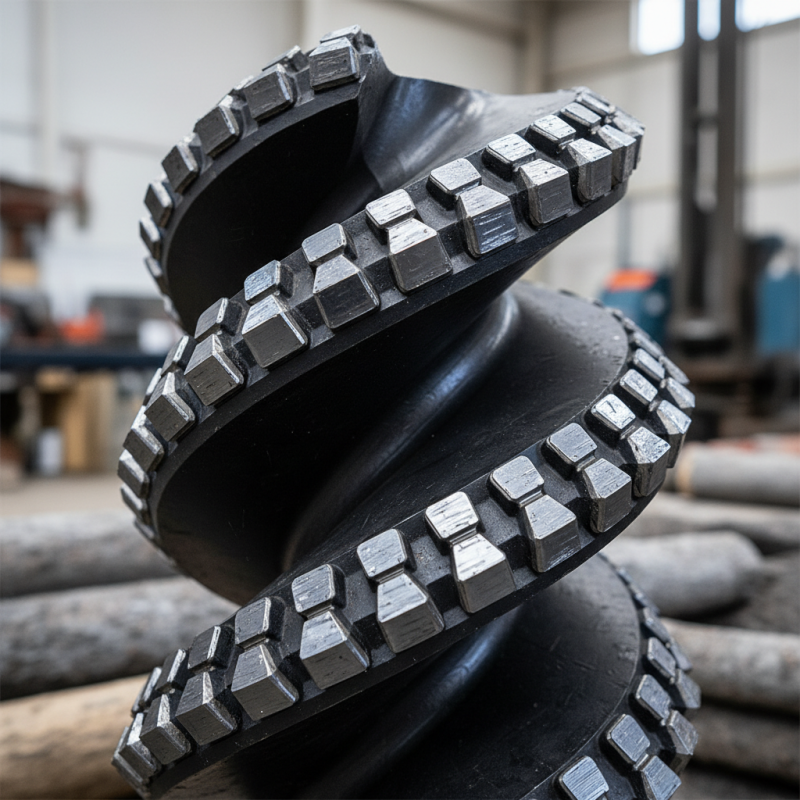
PDC cutter placement significantly impacts the performance of drilling bits. Proper placement ensures optimal penetration and material removal. When cutters are positioned correctly, they interact effectively with the rock, thereby increasing drilling efficiency. Understanding this concept is critical for professionals in the field.
To optimize PDC cutter placement, consider the cutter spacing. Spacing affects the bit's stability and cutting action. Tight spacing may lead to excessive wear, while too wide a gap can compromise penetration rates. Testing different configurations is essential. Each drilling environment is unique, so don’t hesitate to make adjustments.
Another aspect to evaluate is the angle of the cutters. This can influence the cutting mechanics. If the angle is too steep, it may lead to rapid wear. Conversely, a shallow angle can result in less efficient cutting. Aim for a balanced approach that aligns with the specific rock formations you encounter. Experimenting with various angles can reveal unexpected results.
| Tip Number | Optimization Technique | Impact on Performance | Recommended Cutter Size | Best Fit for Formation Type |
|---|---|---|---|---|
| 1 | Positioning High-Impact Cutters Strategically | Increased rate of penetration (ROP) | 16 mm | Hard Rock |
| 2 | Using a Balanced Cutter Layout | Optimized cutter life | 13 mm | Soft to Medium Formation |
| 3 | Adjusting Cutter Angles | Improves cutter effectiveness | 12 mm | Mixed Formation |
| 4 | Incorporating Wear-Resistant Materials | Extended cutter durability | 14 mm | Challenging Environments |
| 5 | Customizing Bit Designs for Specific Wells | Maximized efficiency and minimized downtime | 15 mm | Variable Depths |
: Key factors include cutter geometry, spacing, and the drilling environment. Each aspect affects drilling efficiency.
Optimal cutter spacing improves the bit's ability to handle different rock formations. Inappropriate spacing can decrease efficiency.
Harder formations need closely spaced cutters for better penetration. Softer formations may require wider spacing to reduce wear.
The right WOB enhances cutting efficiency. Too much WOB leads to premature cutter wear and affects performance.
High temperatures can damage cutters, leading to decreased performance. Always monitor to avoid overheating issues.
Gather and analyze performance metrics like penetration rate, bit wear, and WOB after each drilling operation.
Yes, experimenting with various layouts helps identify the optimal setup for specific conditions and formations.
Unexpected wear indicates a need for adjustments. Regular assessments help in understanding wear patterns.
Absolutely, a trial-and-error approach can yield valuable insights. Continuous evaluation is essential for improvement.
Geological conditions drive placement techniques. Adjustments may be necessary based on whether formations are hard or soft.
Optimizing PDC cutter placement on drilling bits is crucial for enhancing drilling efficiency and improving performance metrics. Understanding the significance of each cutter's position helps to maximize drilling speed and penetration rates. When positioning PDC cutters, several factors must be considered, including the rocker angle, bit geometry, and formation characteristics.
Techniques such as strategic cutter arrangement and proper spacing can significantly influence the bit's performance. It's essential to continuously evaluate the performance metrics after placement to refine strategies further. Additionally, avoiding common mistakes, such as improper alignment or inadequate testing, can greatly improve the effectiveness of PDC cutter placement. By addressing these aspects, professionals can answer the question, "How to optimize PDC cutter placement on a bit?" effectively, leading to improved drilling outcomes.

 Elliott Cutters